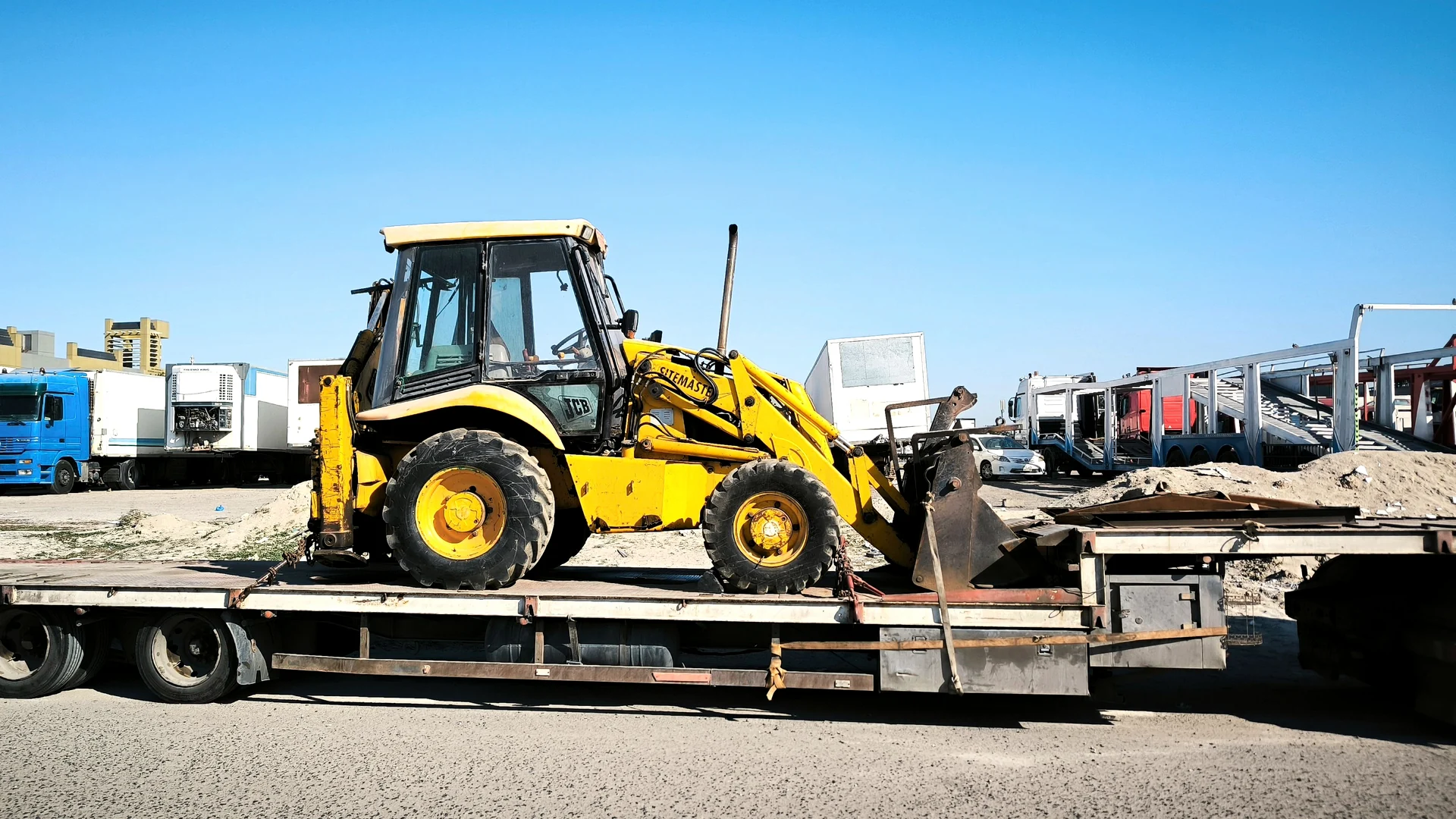
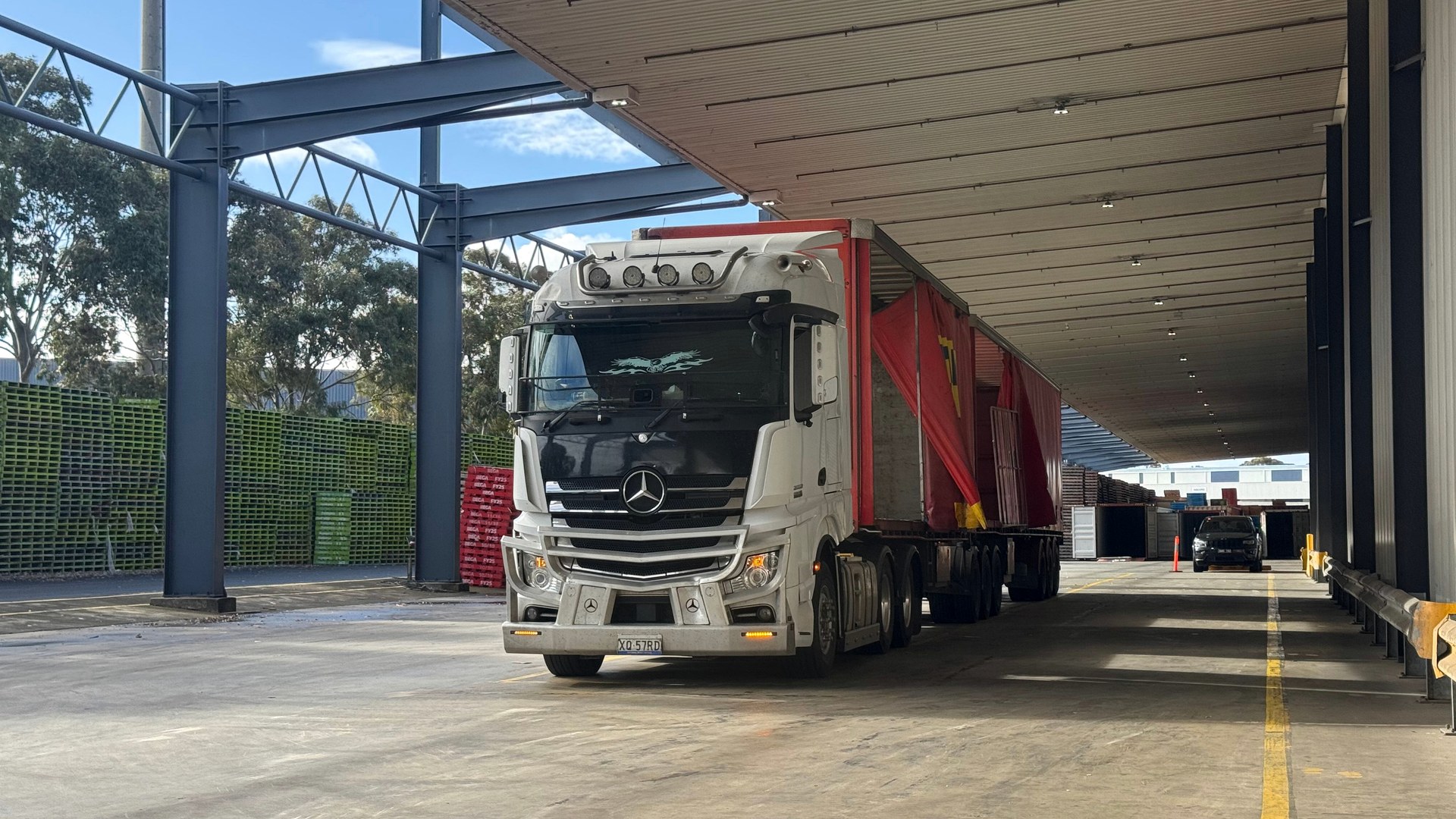
Machinery transport covers construction equipment, professional machines, agricultural equipment and industrial or technical assets requiring a suitable transport solution. Unlike standard freight, machinery often involves constraints linked to weight, dimensions, overall size, running condition, securing points and loading or unloading requirements.
This service is mainly intended for companies, contractors, rental businesses, local authorities, construction and public-works operators, agricultural businesses, industrial companies and maintenance providers. It can cover a movement between depot and site, delivery to a customer, transfer between facilities or return after an intervention.
A detailed review is essential. The type of machine, make, model, weight, height, width, length, working condition, ability to drive onto a trailer and any technical limitations should be provided. Photographs, technical sheets or drawings can also help assess feasibility.
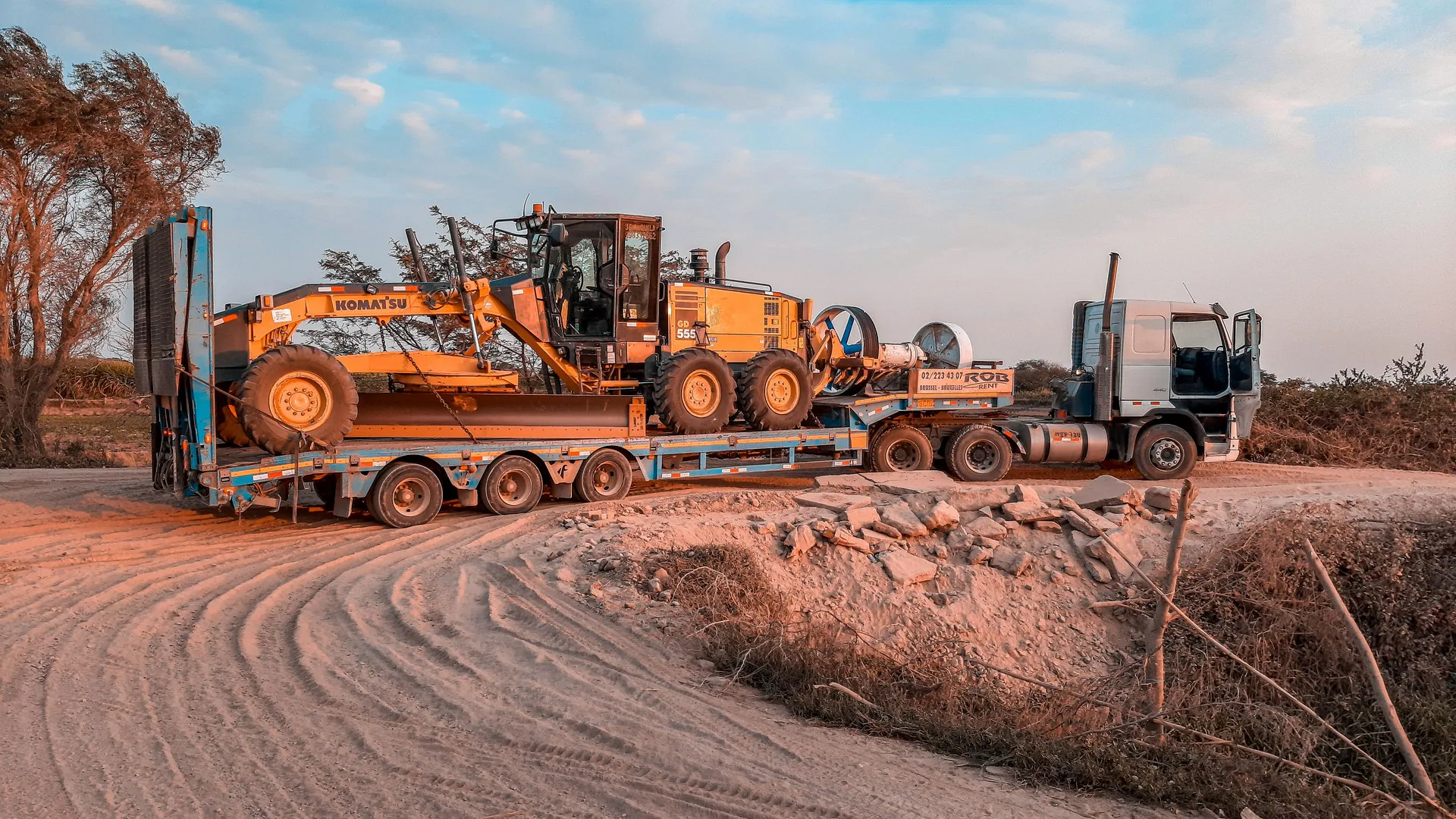
Loading and load securing are key points. Depending on the equipment, the operation may require a plant trailer, flatbed, ramps, lifting equipment, straps, chains or a specific weight-distribution plan. The machinery must be secured appropriately for the journey.
Site access must also be checked. Construction sites, depots, industrial areas, farms and customer premises may have restrictions involving traffic, parking, manoeuvring space, ground conditions, height or width. These details are important for preparing both collection and delivery.
Machinery transport may become an abnormal-load movement when the equipment exceeds standard dimensions or weights. In that case, a more detailed study may be required to determine the transport method, suitable vehicle, route constraints and feasibility conditions.