Logo Drivet Transport International
Menu

International formalities

Import-export customs coordination

Drivet Transport International supports customers with the customs coordination associated with international transport. We organise the exchange of information and documents with customs representatives and specialist partners to help import, export and transit movements progress smoothly.

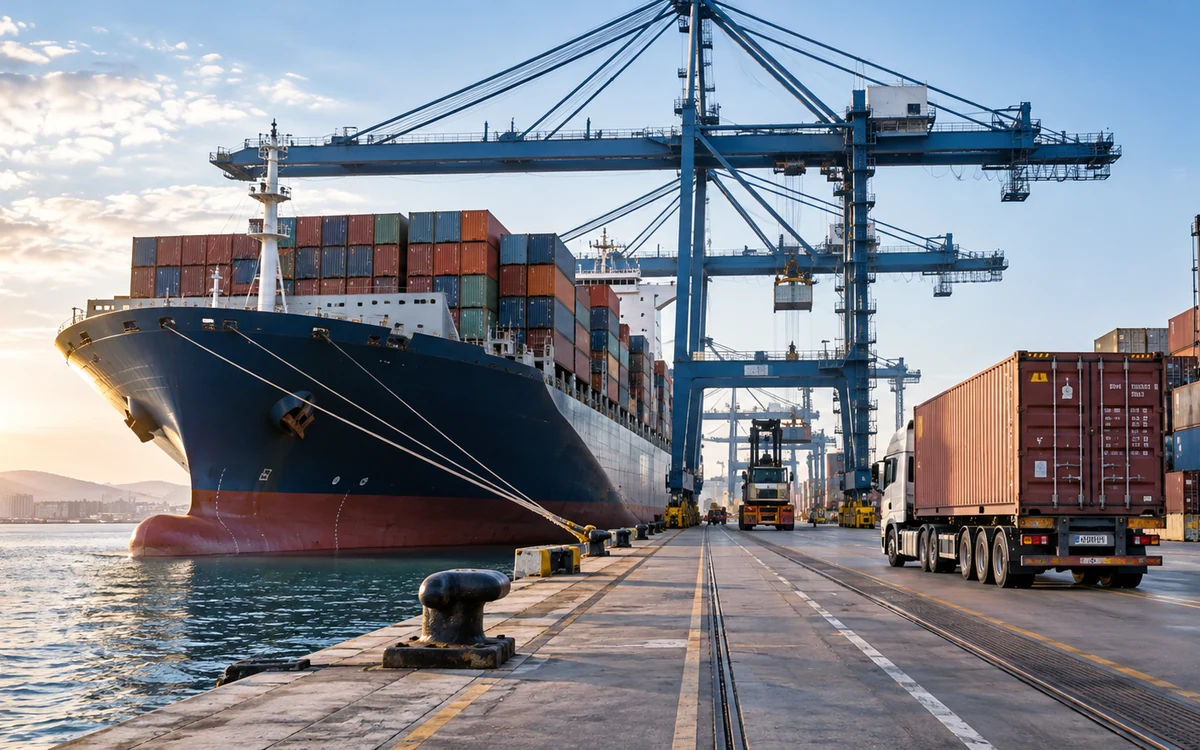
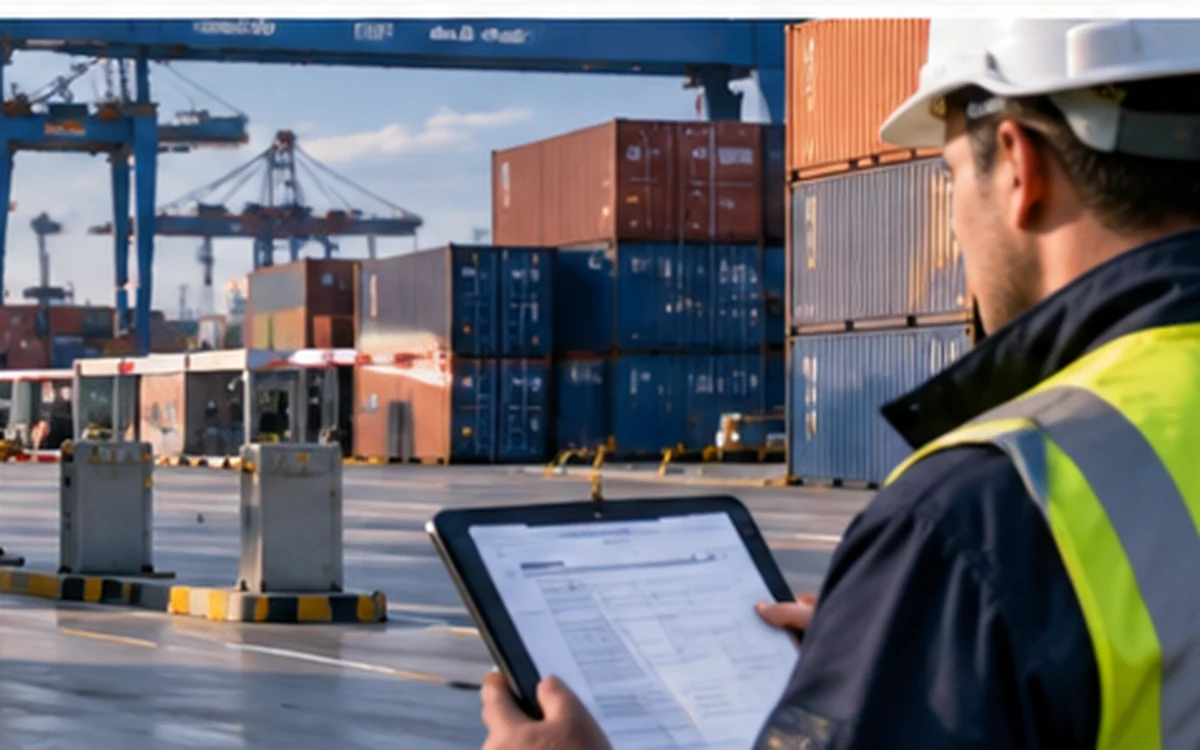
Customs document control and coordination at an international container terminal

Customs import-export

Understanding import-export customs coordination

Customs work is an integral part of many international transport chains. Accurate product information, commercial documents and coordination with the appropriate customs representative can reduce delays and avoid unnecessary immobilisation.

Import, export and transit movements

An international shipment may require an import declaration, export declaration or transit procedure. Drivet Transport International coordinates the transport with the competent customs specialists and helps ensure that the required information is available at the right time.

Tariff classification, origin and customs value

Tariff classification, origin and customs value are fundamental data for a customs declaration. Commercial documents, product references, country of origin, Incoterm and supporting evidence need to be prepared accurately to reduce the risk of holds or additional requests.

Coordination with customs representatives

Where a customs declaration must be lodged by a customs representative, we coordinate the shipment with the relevant specialist partner. Drivet Transport International does not replace the customs authorities or the authorised declarant; our role is to connect transport, documentation and operational follow-up.

Import · export · transit customs coordination

Import-export customs: one point of contact to coordinate your formalities

An international shipment does not stop with transport. At import and export, the goods must be supported by the information, documents and customs formalities appropriate to the country, customs procedure, origin, value and tariff classification involved.

Drivet Transport International coordinates the customs flow alongside the transport operation so that customers do not have to manage multiple contacts. We centralise the information required for the file — commercial invoice, packing list, EORI number, origin, value, tariff classification and other data depending on the shipment —, coordinate the formalities with the authorised professionals needed for the operation, follow customs clearance and release, and then organise the continuation of the shipment through to final delivery.

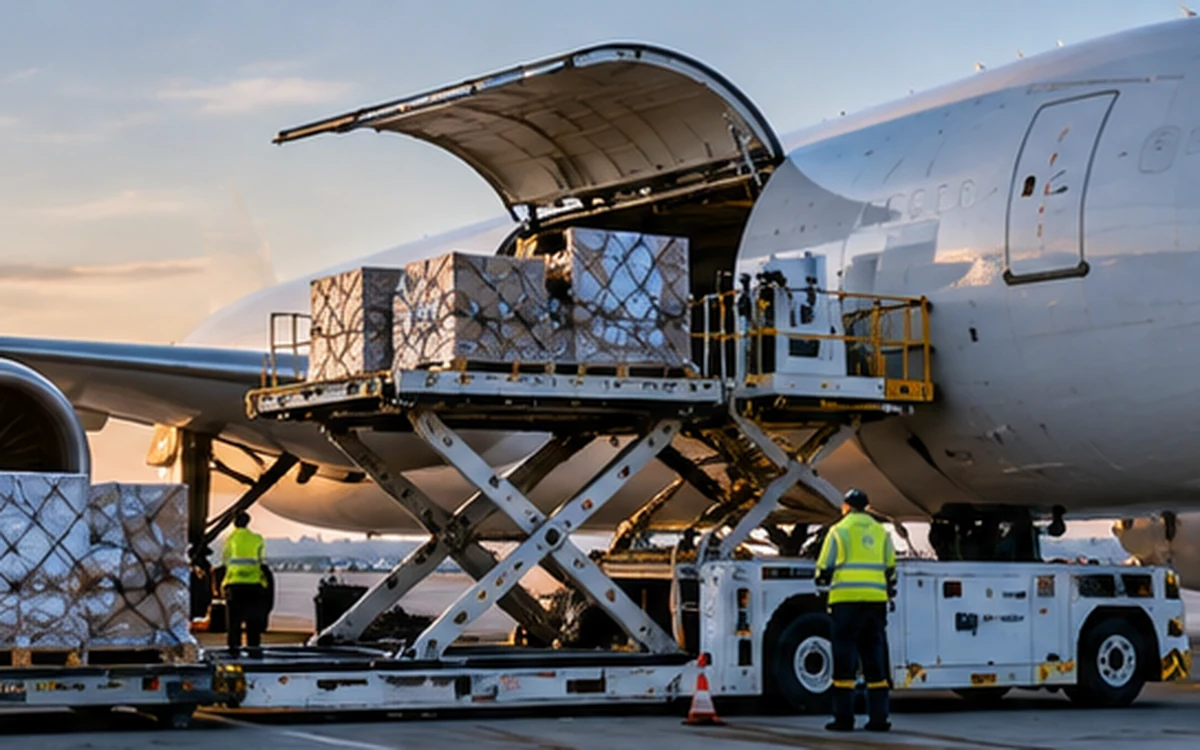
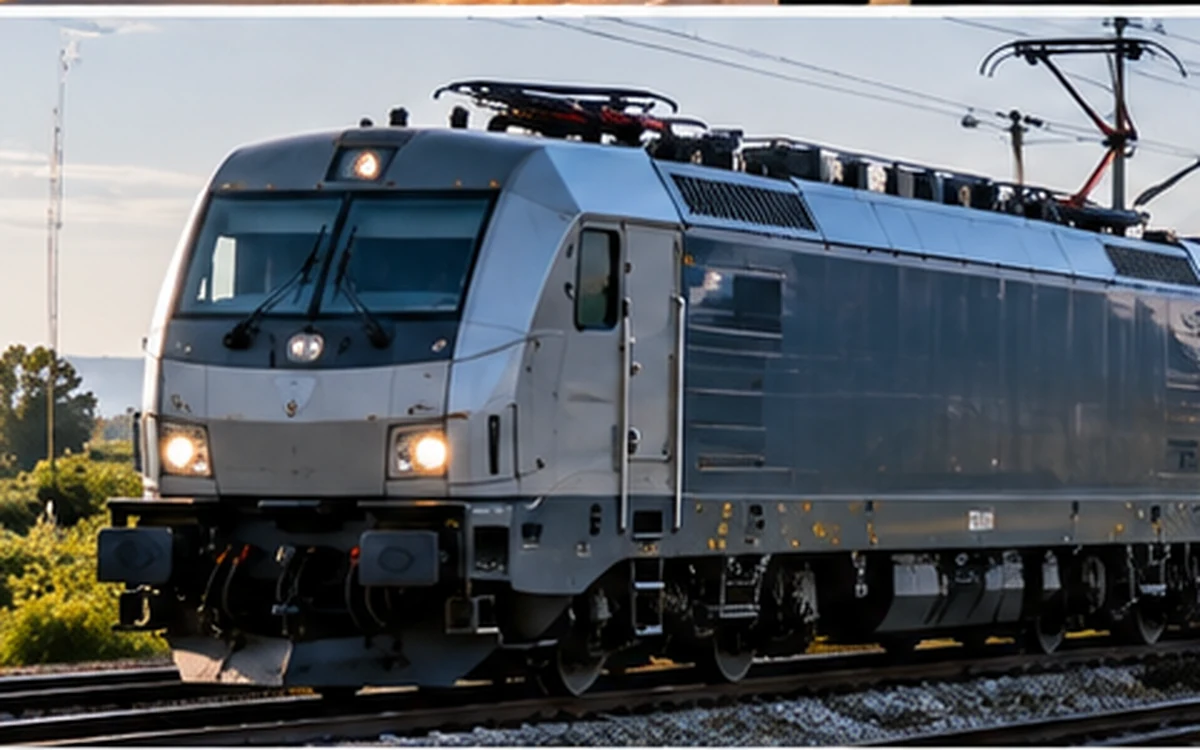
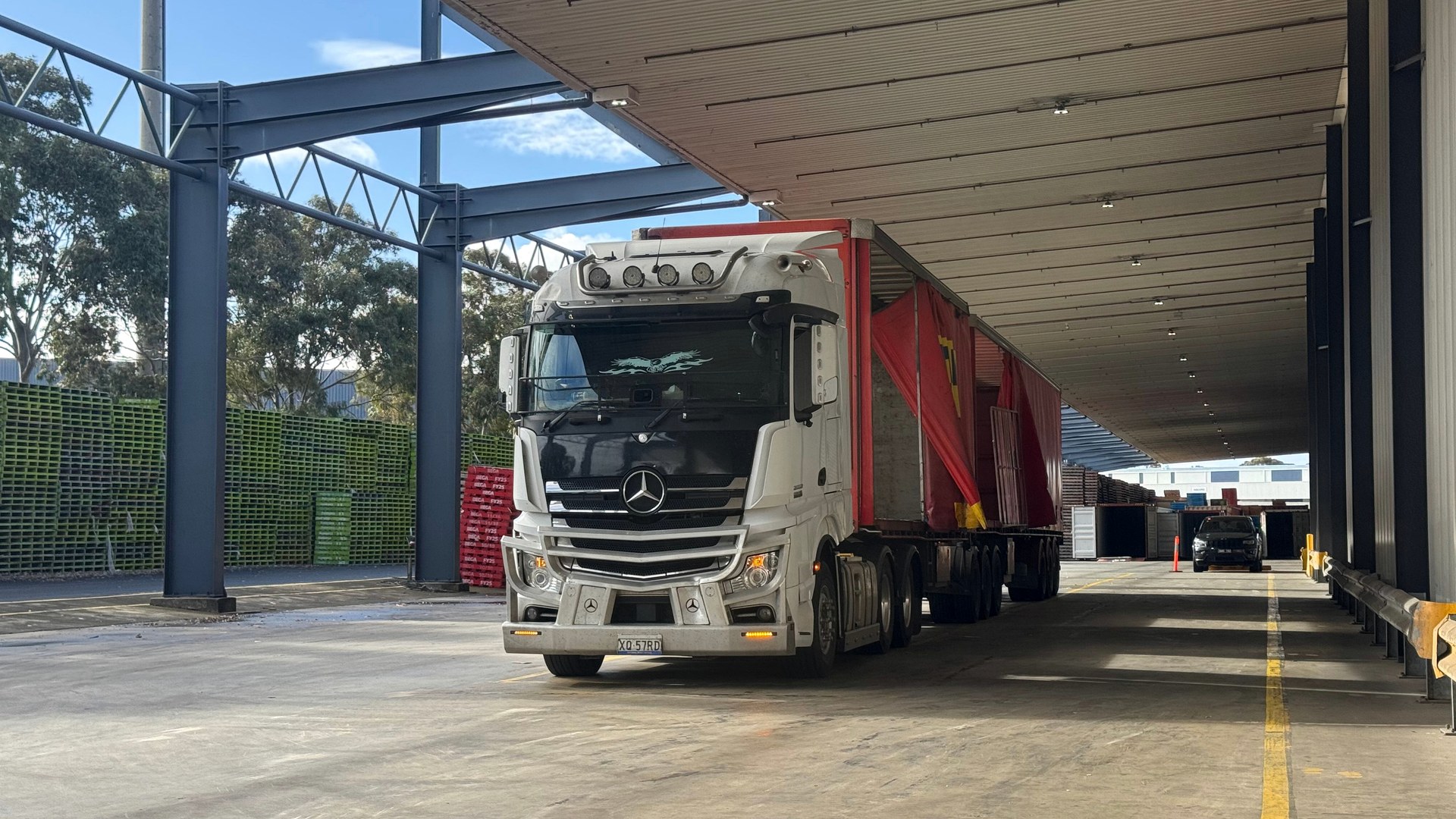
This coordination can be integrated into sea freight, air freight, rail freight or road transport. The aim is to keep transport and customs within one clear operating plan, with a consistent follow-up from collection through to delivery.

Import

Prepare arrival and clearance

Coordination of commercial documents, customs information, origin and value data, import formalities, applicable duties and taxes, and release before onward delivery.

Export

Organise the goods' exit

Preparation of the information needed for the export file, coordination of exit formalities, document follow-up and alignment with the international transport operation.

Transit

Coordinate customs transit

Where goods need to move under customs control before final clearance, we coordinate the transport and the transit procedures applicable to the shipment, including multi-country or multi-terminal flows.

Follow-up

From the file through to release

DTI remains your operational contact to follow the flow, centralise exchanges between transport, customs, terminal and consignee, and restart onward transport as soon as the goods are released.

The exact formalities depend on the goods, country of origin and destination, customs procedure, value, origin and any sector-specific rules. Representation acts and customs declarations are carried out with the authorised professionals required for the file, while Drivet Transport International coordinates the operational flow as a whole.

International trade · Incoterms® 2020

Incoterms®: understanding who organises transport and customs formalities

The Incoterms® 2020 rules, published by the International Chamber of Commerce, comprise eleven trade terms used in sales contracts to clarify the allocation of tasks, costs and risks between seller and buyer when goods are delivered.

They directly affect import-export transport planning: who books the main carriage, where risk transfers, who arranges insurance where applicable, and which party is responsible for export or import customs formalities. They do not, however, determine transfer of ownership or the payment terms of the sales contract.

Any mode of transport

7 Incoterms® for multimodal transport

EXW, FCA, CPT, CIP, DAP, DPU and DDP can be used regardless of the selected mode of transport, including combinations of road, rail, air and sea.

EXW

The seller makes the goods available at its premises. The buyer takes on most of the transport organisation and formalities.

FCA

The seller hands the goods to the carrier at the agreed place and handles export clearance. Often well suited to containerised freight.

DAP

The seller organises transport to the named place, ready for unloading. The buyer is responsible for import clearance and import duties.

DDP

The seller assumes the highest level of responsibility through to the named destination, including import clearance and applicable duties and taxes.

Sea & inland waterways

4 Incoterms® reserved for sea transport

FAS, FOB, CFR and CIF are intended only for sea or inland-waterway transport where delivery is structured around the vessel and the named port.

FAS — Goods are delivered alongside the vessel at the port of shipment; the seller completes export clearance.

FOB — The seller delivers the goods on board the vessel; risk transfers once the goods are on board.

CFR — The seller pays freight to the destination port, but risk transfers once the goods are on board at origin.

CIF — The same risk structure as CFR, with the seller also arranging insurance in accordance with the rule.

For goods moved in shipping containers and handed to a terminal before loading on board, the International Chamber of Commerce often recommends considering terms such as FCA, CPT or CIP instead of FOB, CFR or CIF, depending on the desired allocation of costs, risks and insurance.

Why do Incoterms® matter for customs?

The selected Incoterm helps identify who is expected to organise export and import formalities and which costs are included in the commercial operation. Drivet Transport International takes the Incoterm supplied by the customer into account when coordinating transport and customs flows in line with the responsibilities set out in the sales contract.

Drivet Transport International

Frequently asked questions

When is a customs declaration required for imports or exports?+

A customs declaration is generally required when goods enter the customs territory of the European Union from a third country or leave it, subject to the relevant procedures, thresholds and special cases. The file must be prepared according to the nature, origin, value and destination of the goods and the customs procedure involved.

How does Drivet Transport International coordinate customs formalities?+

Drivet Transport International centralises the information and documents for the shipment, coordinates exchanges between the customer, transport operators, terminals and the authorised professionals required for the formalities, follows customs clearance and release, and then organises onward transport. The customer therefore keeps one operational point of contact for transport and customs coordination.

What is an EORI number and when is it required?+

An EORI number identifies economic operators in their dealings with customs authorities in the European Union. It is generally essential for professional customs operations involving imports or exports and should be provided early enough to avoid delaying the customs file.

Which documents are needed for an import or export shipment?+

Depending on the operation, the file may include a commercial invoice, packing list, EORI details, an accurate description of the goods, value, origin, customs tariff classification and, where applicable, licences, certificates or other specific supporting documents. The exact requirements depend on the goods, country and customs procedure.

What is the customs tariff classification or TARIC code?+

Customs tariff classification identifies the goods within the customs tariff. For imports into the European Union, TARIC is used to determine duties and certain trade-policy measures, restrictions, licences or anti-dumping duties that may apply. Accurate classification is therefore a key part of customs preparation.

Why is the customs origin of goods important?+

Customs origin, together with tariff classification and customs value, helps determine how goods are treated by customs. Non-preferential origin must be established for relevant transactions, while preferential origin may, where an agreement and its conditions apply, provide access to reduced or zero customs duties.

How is customs value determined on import?+

Customs value is one of the bases used to calculate import duties and certain taxes. Its determination follows the rules of the Union Customs Code and may require certain costs to be included or excluded depending on the circumstances. It should therefore not automatically be treated as identical to the amount shown on the commercial invoice.

How are customs duties and import VAT calculated?+

The amount depends in particular on tariff classification, origin, customs value and any measures applicable to the goods. VAT and other possible taxes follow their own assessment rules. Drivet Transport International can coordinate the file so that the required information is available before the shipment arrives.

How do Incoterms® affect customs formalities?+

Incoterms® allocate costs, risks and certain responsibilities between seller and buyer. They also help determine which party is expected to organise export or import formalities. The agreed Incoterm® should therefore be provided when the shipment is planned so that the commercial contract, customs process and transport organisation remain consistent.

What is the difference between DAP and DDP for an import?+

Under DAP, the seller organises transport to the agreed place while the buyer normally handles import formalities and import charges. Under DDP, the seller also assumes the import obligations set out by the rule. DDP should nevertheless be checked carefully against the seller’s legal and tax ability to fulfil those obligations in the destination country.

What are T1 and T2 customs transit procedures?+

Customs transit allows certain goods to move under customs control before final clearance. T1 is used in particular for non-Union goods moving within the Union customs territory, while T2 applies to certain movements of Union goods through an external territory. This can defer certain formalities until the planned destination office or location.

Can you coordinate temporary importation or re-exportation?+

Yes. Some projects require a temporary customs procedure, for example equipment used for a trade fair, demonstration, technical operation or limited-duration use. The appropriate procedure should be reviewed before departure so that supporting documents, guarantees and any re-export obligations can be anticipated.

Can customs be coordinated with sea, air, rail or road freight?+

Yes. Drivet Transport International can integrate customs coordination into sea, air, rail or road freight so that formalities are aligned with the actual transport schedule: collection, terminal or airport handling, transit, customs clearance, release and final delivery.

How long does import-export customs clearance take?+

There is no single standard time. A complete and consistent file may be processed quickly, whereas an inspection, missing document, classification issue, regulated goods or another discrepancy can extend the process. Preparing customs data before the goods arrive is the best way to reduce avoidable delays.

What does customs release mean?+

Customs release is the authorisation allowing the goods to be placed under the intended customs procedure and continue their journey in accordance with the file. Drivet Transport International follows this stage as part of the overall coordination so that collection or delivery can be organised as soon as the necessary conditions are met.
Transport request

Need a transport quote?

Need to organise customs import-export? Send us the key shipment details so that our team can review the most suitable solution.

Request a transport quote