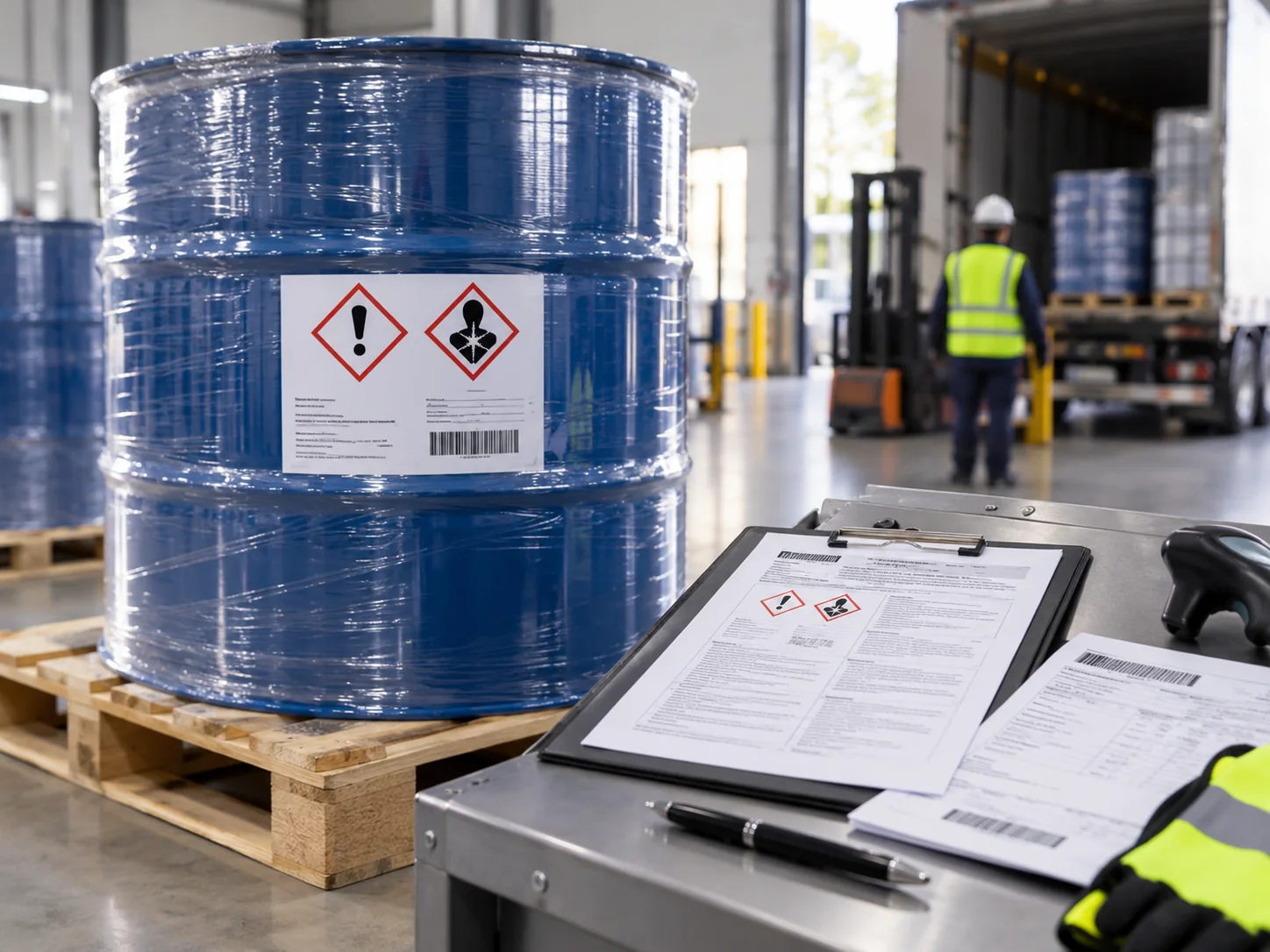
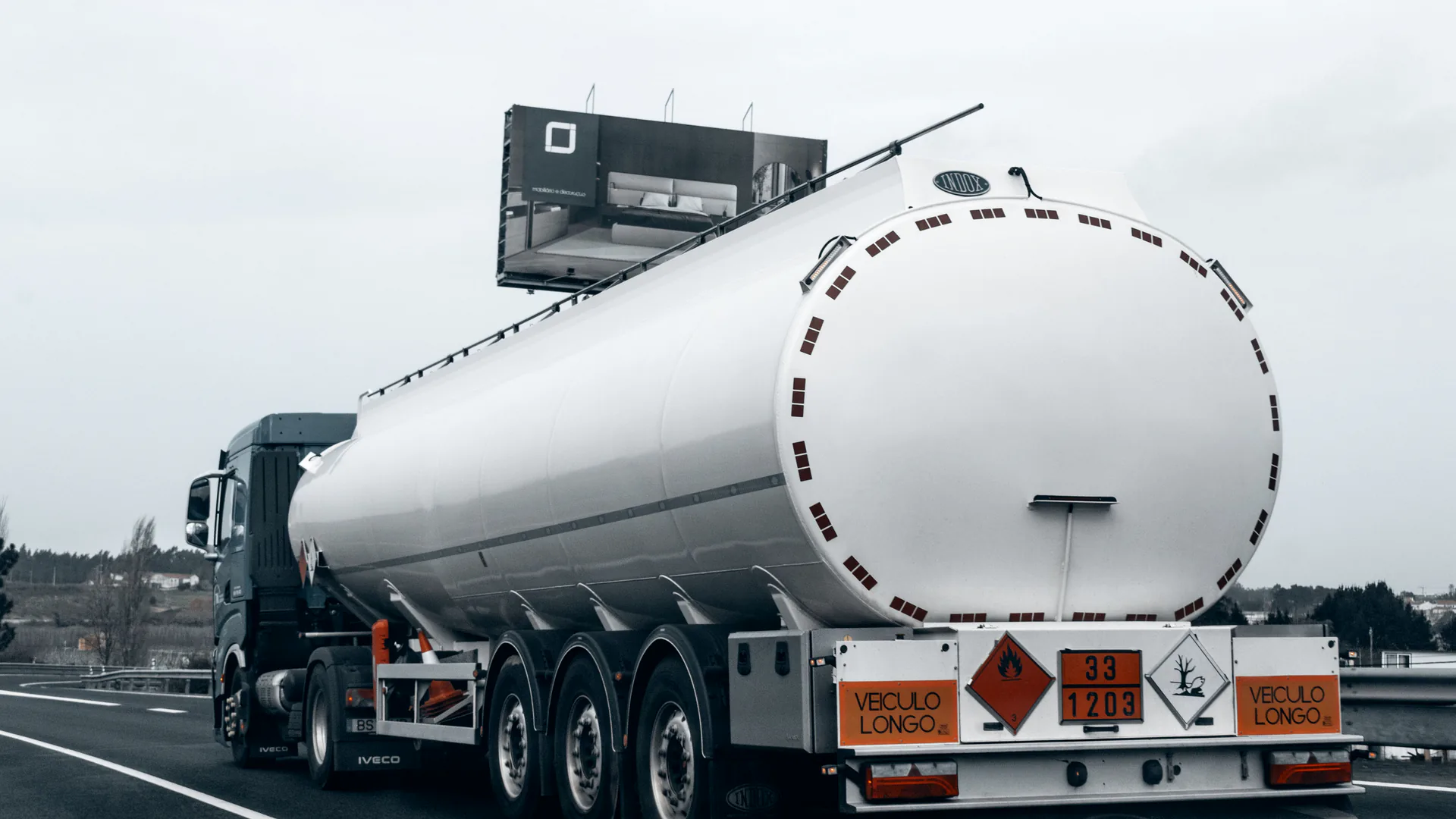
Drivet Transport International can review chemical shipments that fall under ADR rules when the required transport information is available. Feasibility depends on the nature and classification of the goods, quantity, packaging, vehicle requirements and loading or delivery constraints. The applicable regulatory information must be provided before the transport is organised.
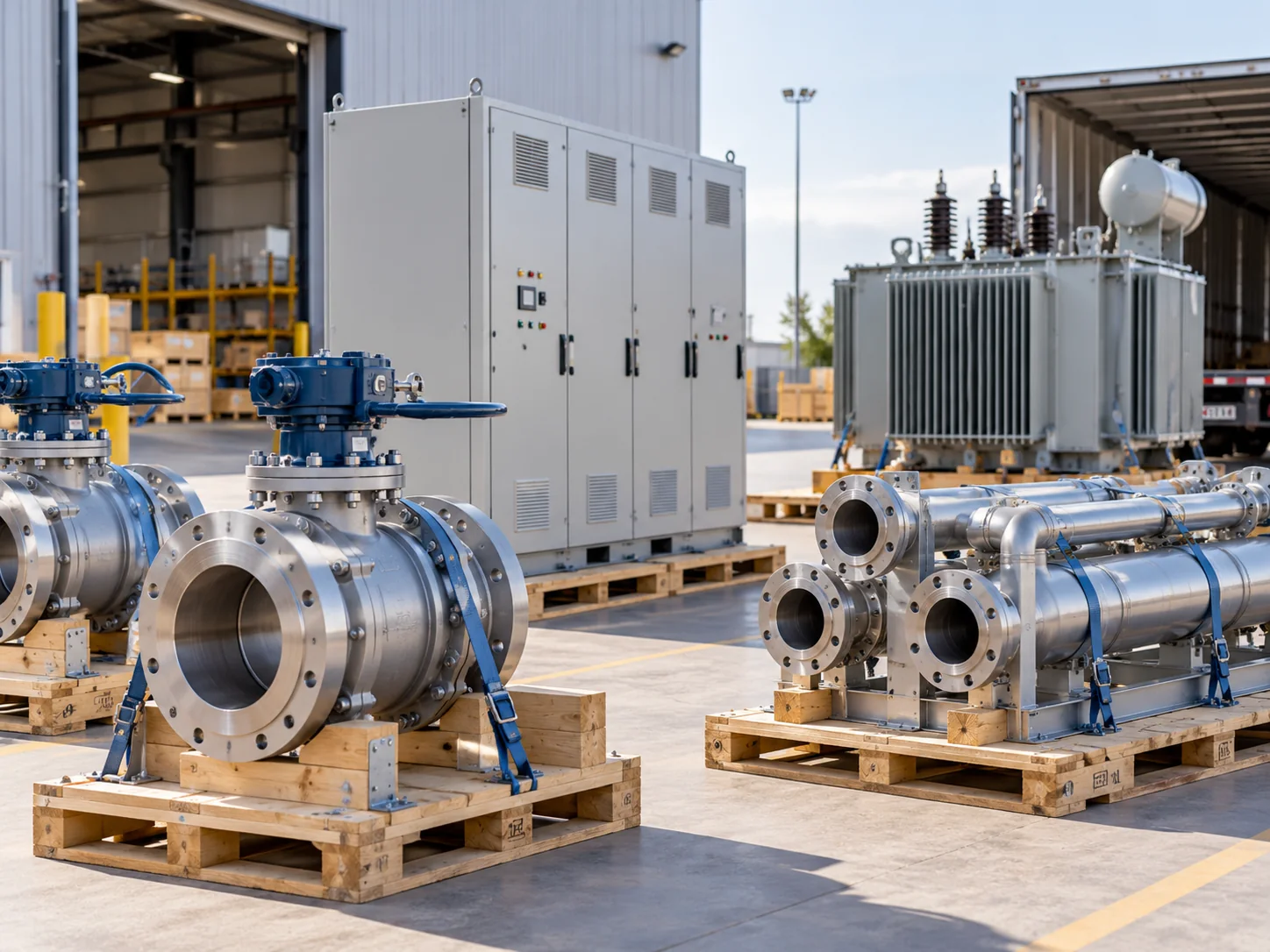
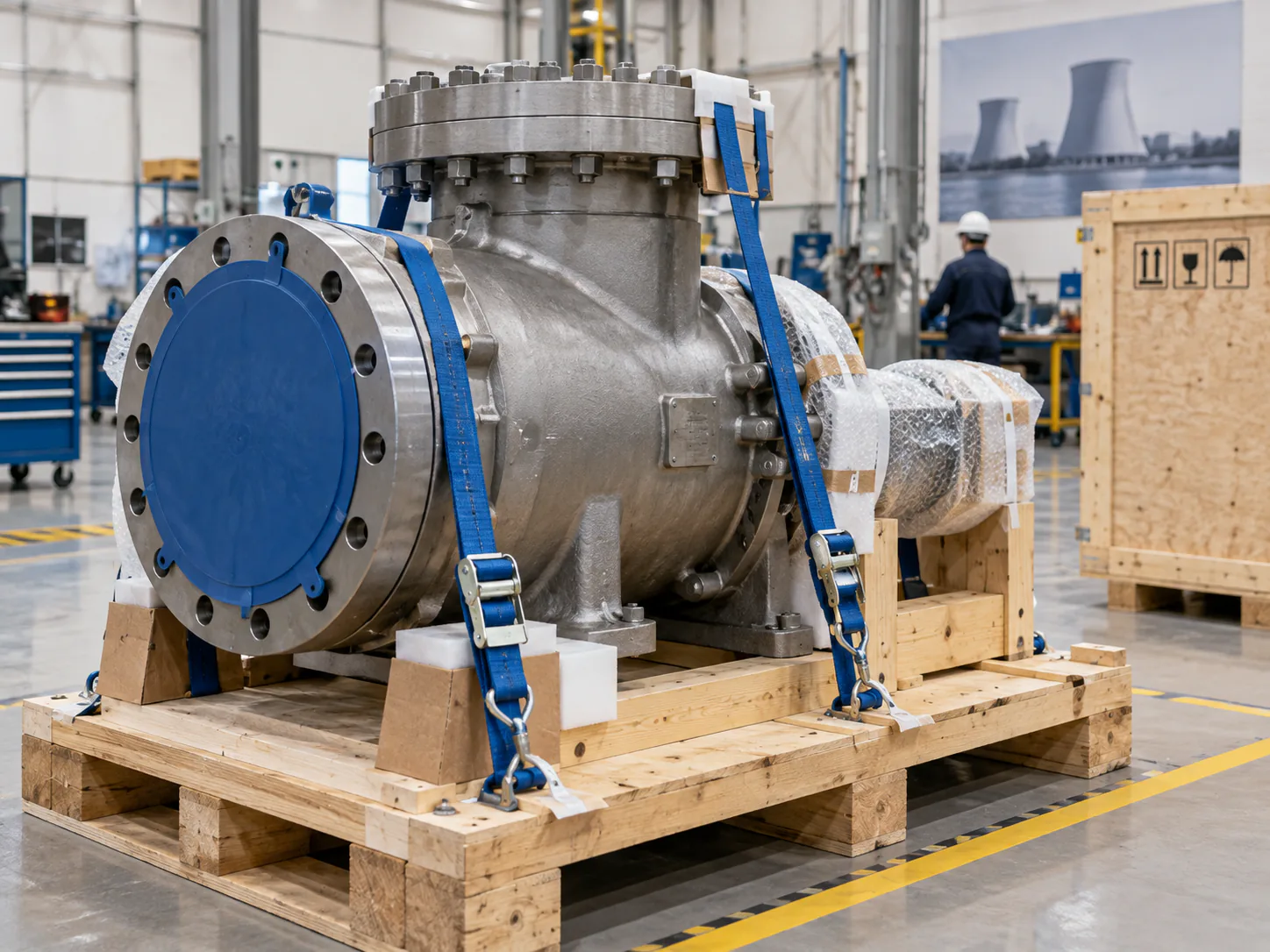
Yes. We can review the transport of pumps, valves, motors, electrical cabinets, mechanical assemblies, technical components, batteries and other equipment intended for energy sites. The vehicle and transport plan depend on weight, dimensions, packaging, handling requirements and site-access constraints.
Yes. We can review transport requirements for technical parts, maintenance equipment, tooling, consumables and materials intended for companies operating in the nuclear industry. The transport plan is prepared around delivery slots, access procedures, site instructions, urgency and equipment characteristics. This does not mean that every shipment for the nuclear industry involves radioactive material.
Radioactive materials are subject to a specific transport framework and should not be treated as standard industrial freight. Any Class 7 shipment must be reviewed separately according to the material, packaging, required documentation, necessary authorisations and the applicable regulatory and operational conditions. Feasibility is only confirmed after the complete shipment has been assessed.
Yes. When a pump, valve, motor, sensor or other technical component is required for maintenance, a shutdown or the return to service of an installation, Drivet Transport International can review an express or dedicated solution. The aim is to reduce transit time while taking account of site opening hours, access rules and receiving conditions.
We seek to collect the relevant information in advance: site address and entry point, delivery slot, on-site contact, access procedure, internal traffic rules, required PPE, handling resources and any documentary requirements. This preparation helps reduce delays at the gate and ensures that the transport plan reflects the site's operating rules.
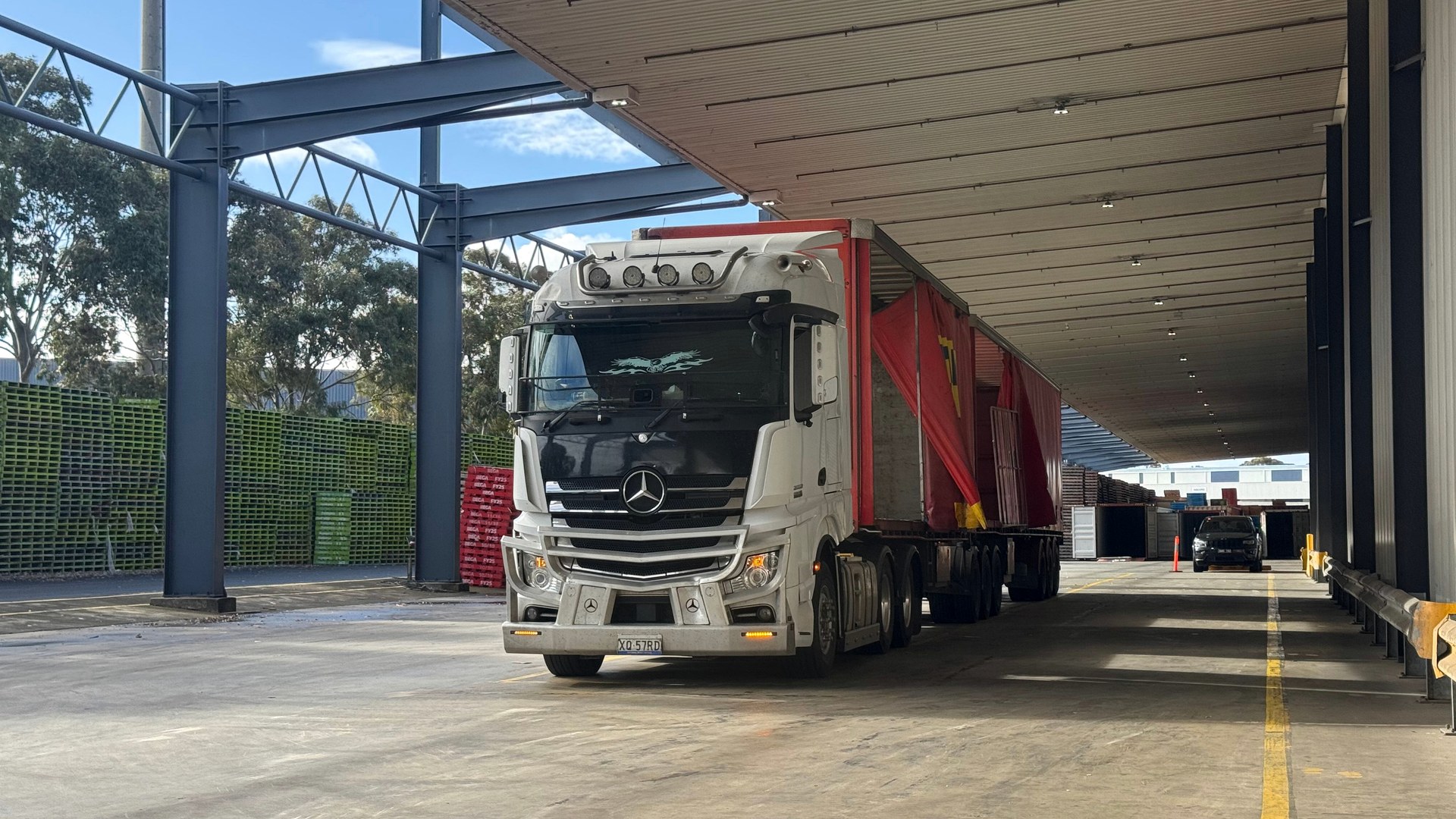
A dedicated vehicle can be relevant when goods are sensitive, high-value, urgent or when transhipment and intermediate handling should be limited. Subject to feasibility, this approach provides greater control over timing, stops and the different stages of the shipment through to the consignee.
Yes, subject to shipment review. Electrical equipment, batteries and technical assemblies may require different precautions depending on their technology, weight, condition, packaging and destination. Some batteries may fall under ADR rules; in that case, the relevant classification and transport information must be supplied before confirmation.
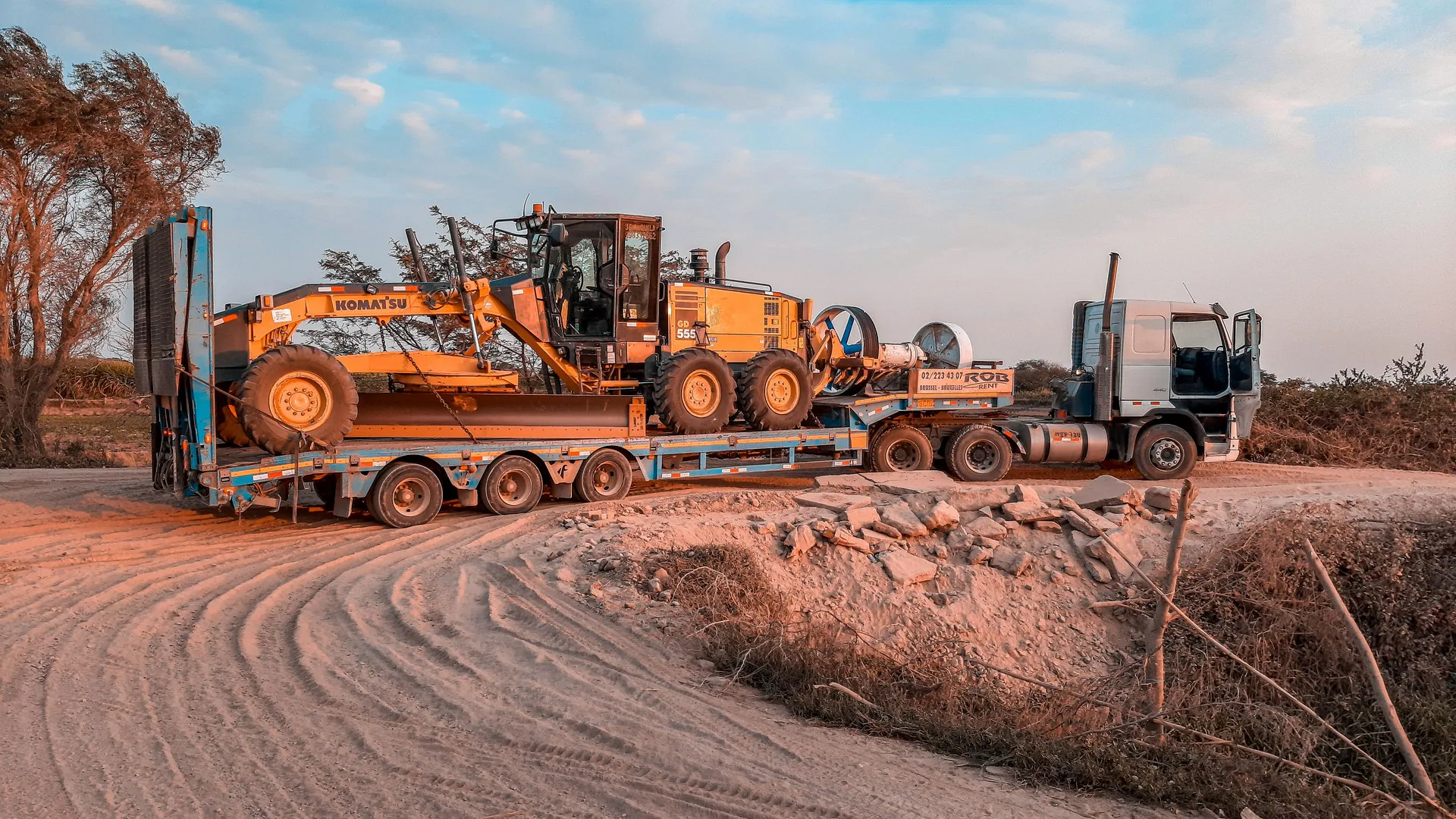
Yes. We can review heavy, bulky or difficult-to-load equipment. Depending on dimensions, weight and access conditions, the solution may require a flatbed truck, a specific vehicle or abnormal-load transport. A prior review of the equipment and the loading and unloading conditions is essential.
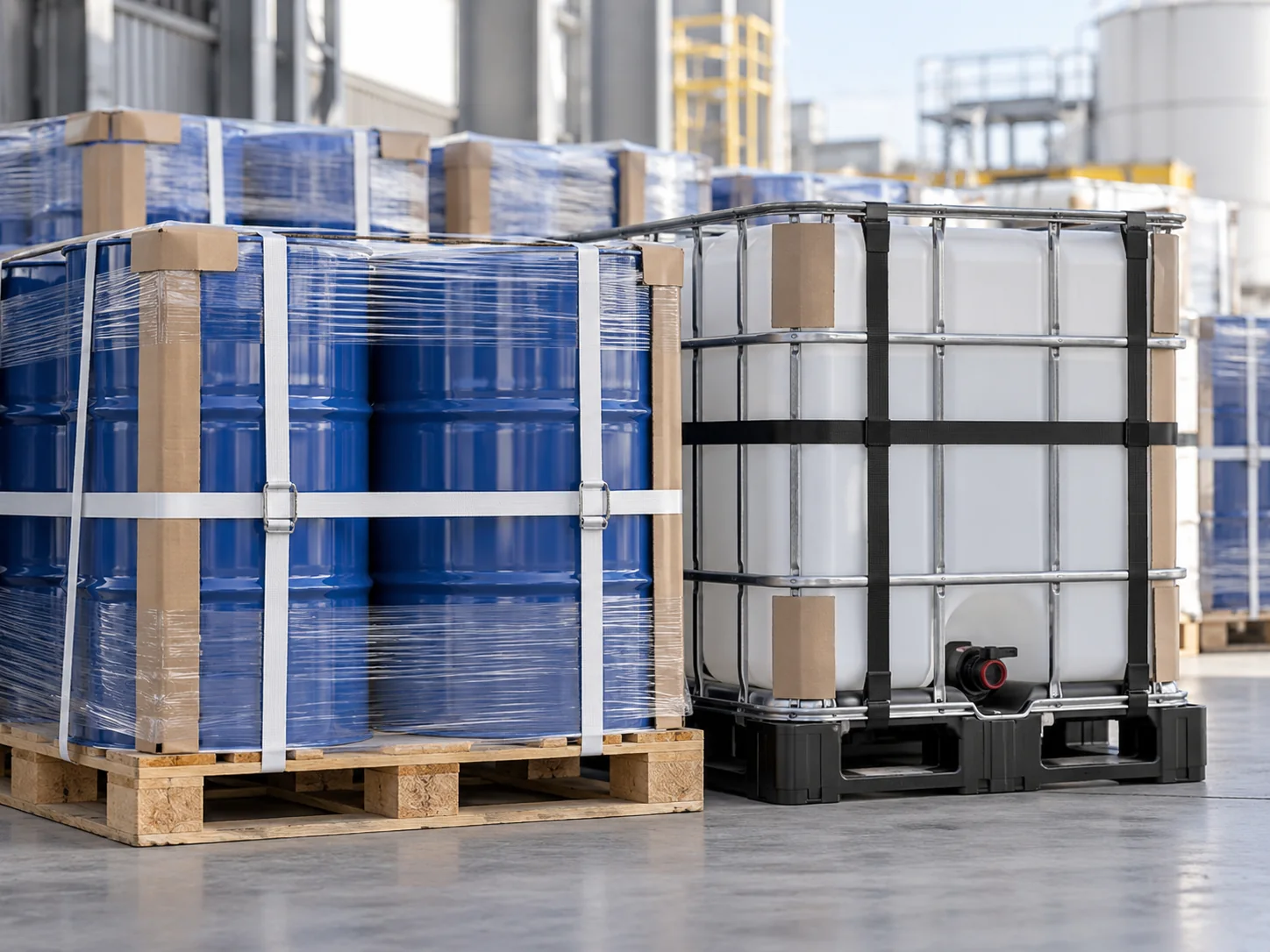
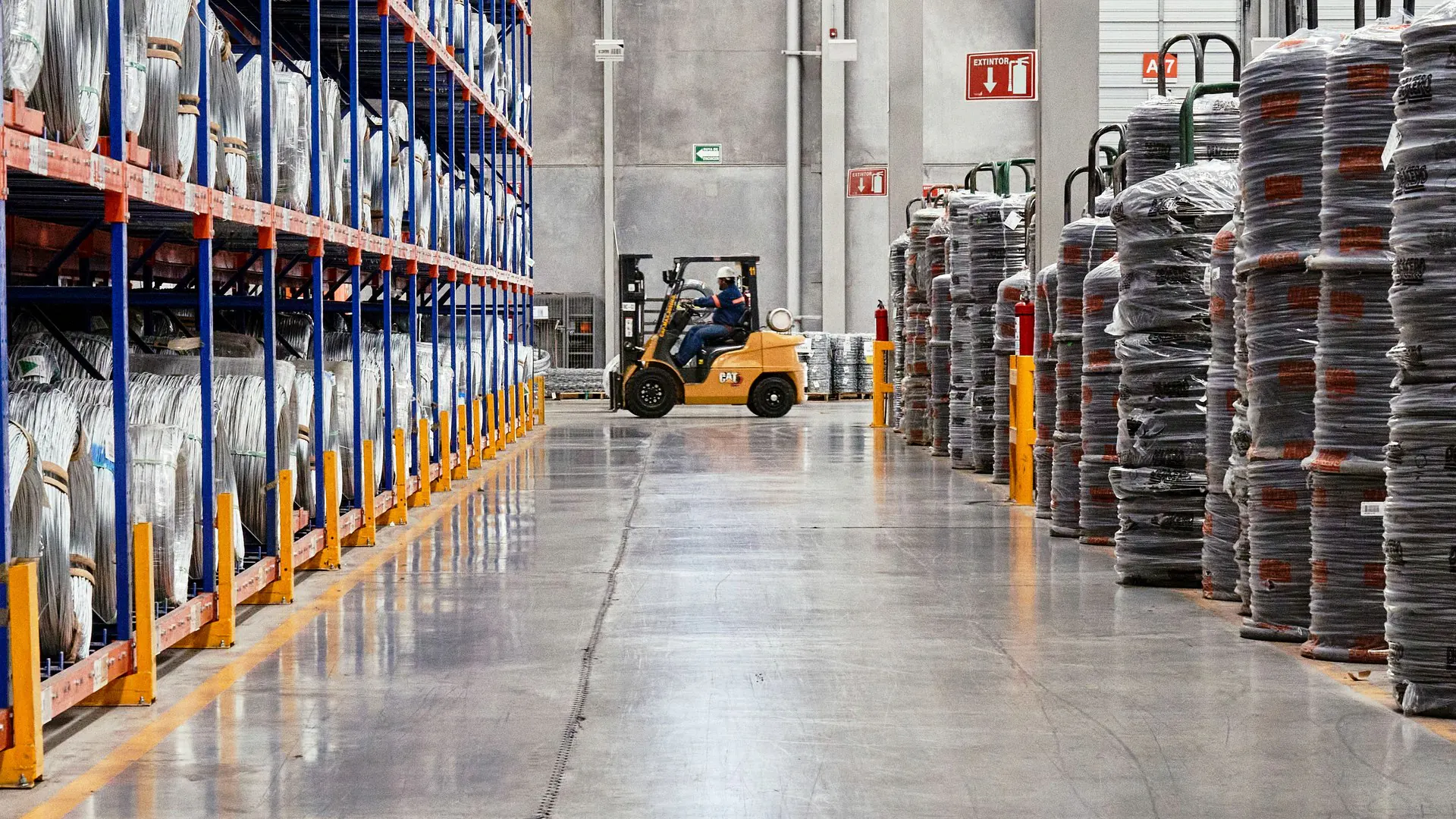
Shipments may involve drums, IBCs, pallets, crates, machinery or technical equipment. Packaging must be suitable for the goods and compatible with transport constraints. Drivet Transport International uses the information provided by the customer to determine the transport organisation and equipment to be reviewed.
Yes. Drivet Transport International can review transport requirements throughout France and to many European destinations, subject to the nature of the goods, regulatory constraints, available capacity and access conditions at both the collection and delivery sites.
Shipment follow-up is based on clear operational coordination: shipment references, planned timings, loading and delivery contacts, instructions passed to the carrier and escalation of any issues. For sensitive or urgent flows, this preparation helps maintain a clear view of progress and react quickly if an operational difficulty arises.