Drivet Transport International supports your flows through logistics platforms
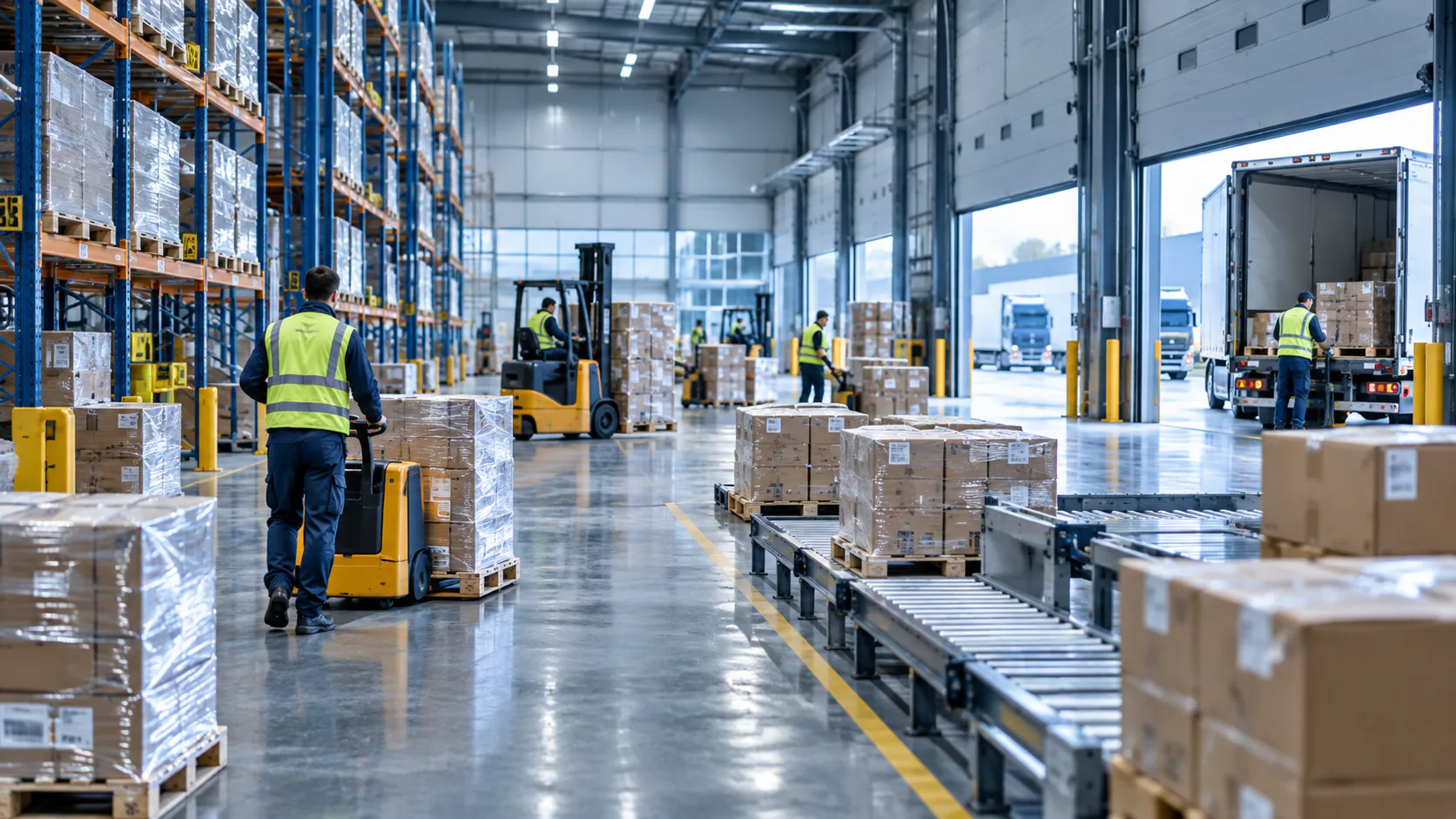
Drivet Transport International supports customers in organising inbound and outbound flows through logistics platforms: goods reception, temporary storage, consolidation of several inbound shipments, departure preparation, cross-docking and onward distribution to factories, depots, stores or final customers.
Our role is to coordinate transport around the platform’s real operating constraints: dock appointments, variable volumes, handling resources, onward-shipping deadlines and destinations. Depending on the requirement, we can review recurring rotations, part loads, groupage, dedicated freight or additional capacity during peaks in activity.
Sectors supported
Different industries, different requirements, supported through logistics platforms
Drivet Transport International adapts the use of the logistics platform to the customer’s actual requirement: buffer storage, consolidation of several suppliers, preparation before onward transport, management of temporary peaks or waiting for a delivery slot. The organisation is built around the goods, the sector involved and the operational constraints of each flow.
Industrial companies
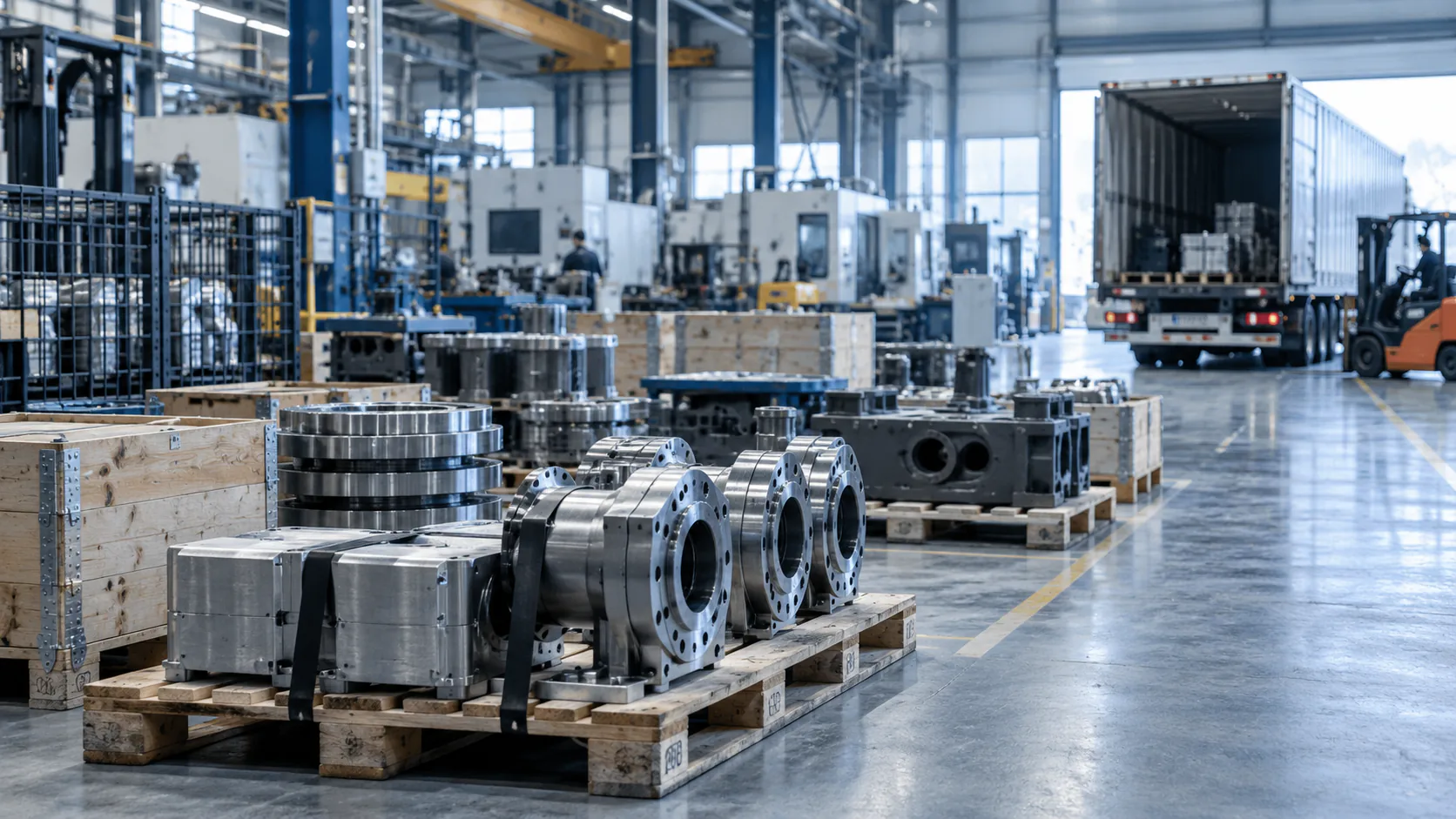
For industrial companies, a logistics platform can act as a receiving point, buffer stock location and consolidation hub between suppliers, factories, subcontractors and customers. It can help absorb production variations and support inbound or outbound flows when manufacturing schedules and dock appointments are tightly constrained.
Explore this sector →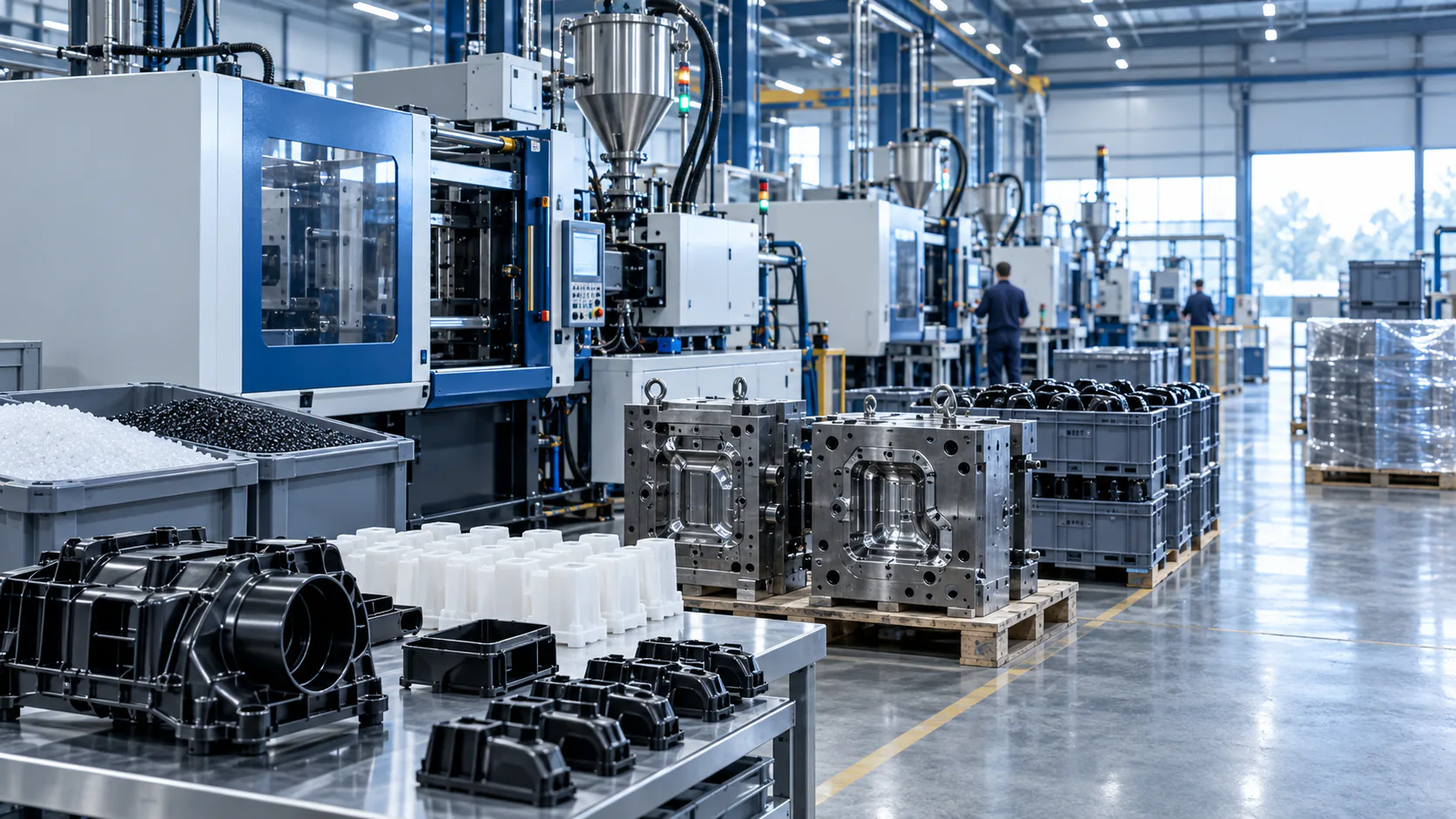
Plastic injection moulding
Plastics manufacturing generates flows of granules, packaging, moulded parts, bins, pallets and sometimes tooling or moulds. A logistics platform can simplify consolidation of multiple references, temporary storage between production stages and onward distribution to customers or subcontractors according to manufacturing needs.
Explore this sector →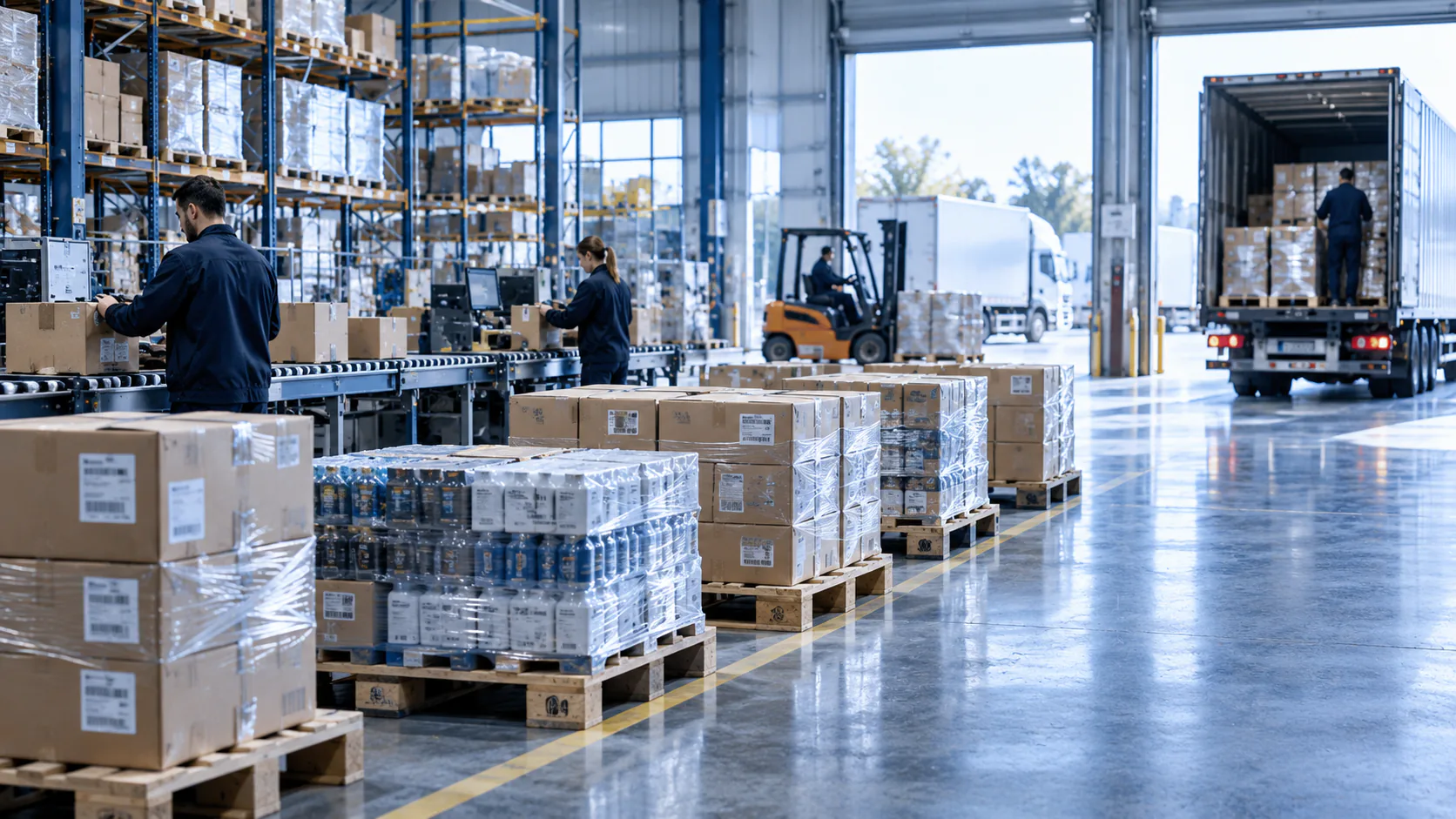
Distributors
For distributors, the platform often sits between suppliers and a network of stores, depots or professional customers. It can consolidate inbound goods, organise departures by destination, absorb changing volumes and support regular or one-off replenishment operations.
Explore this sector →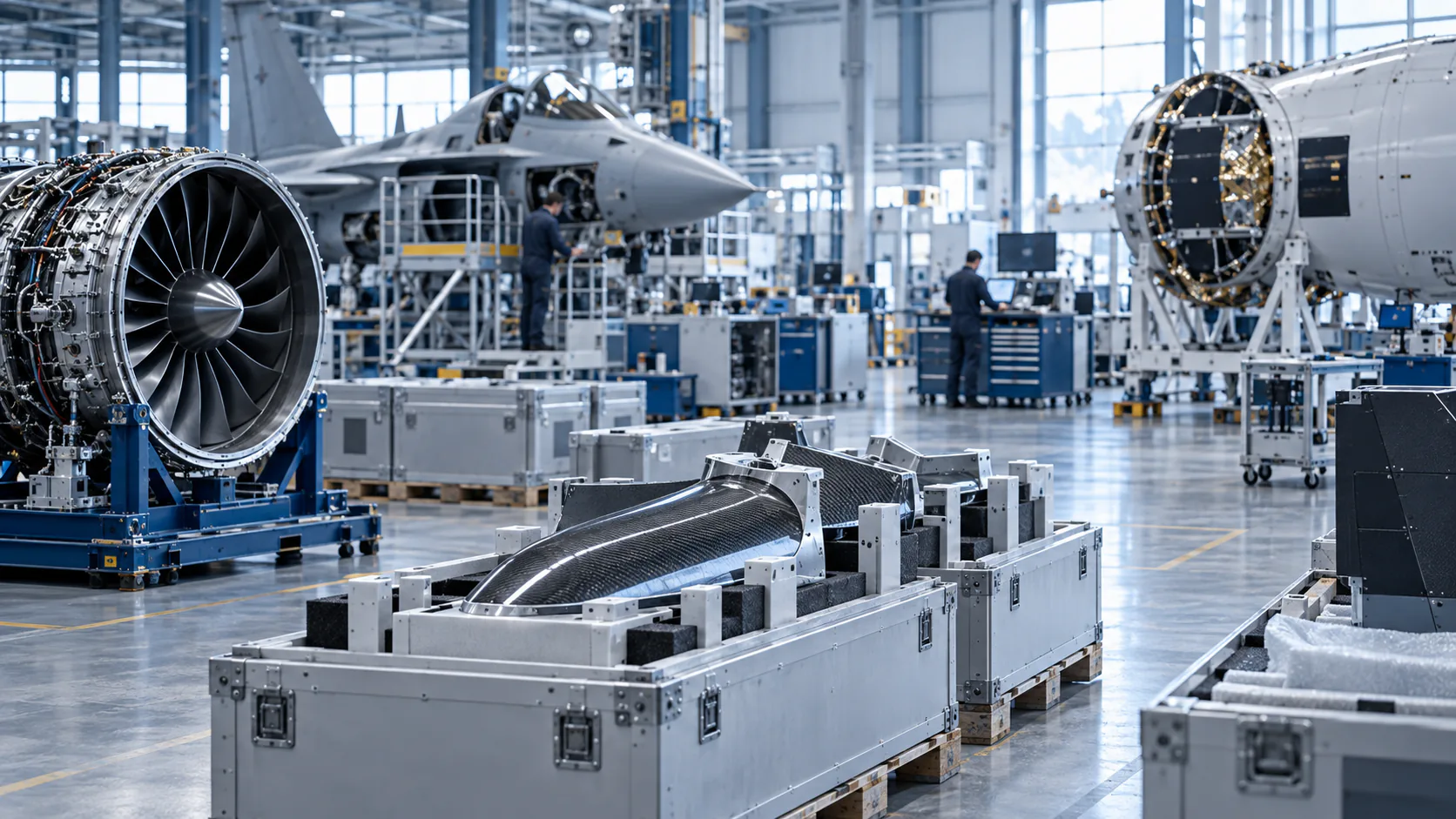
Aerospace, Space & Defence
Aerospace, space and defence components may be high-value, fragile, technical or subject to specific traceability and confidentiality requirements. The platform must therefore support controlled handling, clear identification of consignments and precise coordination before onward transport to production, maintenance or assembly sites.
Explore this sector →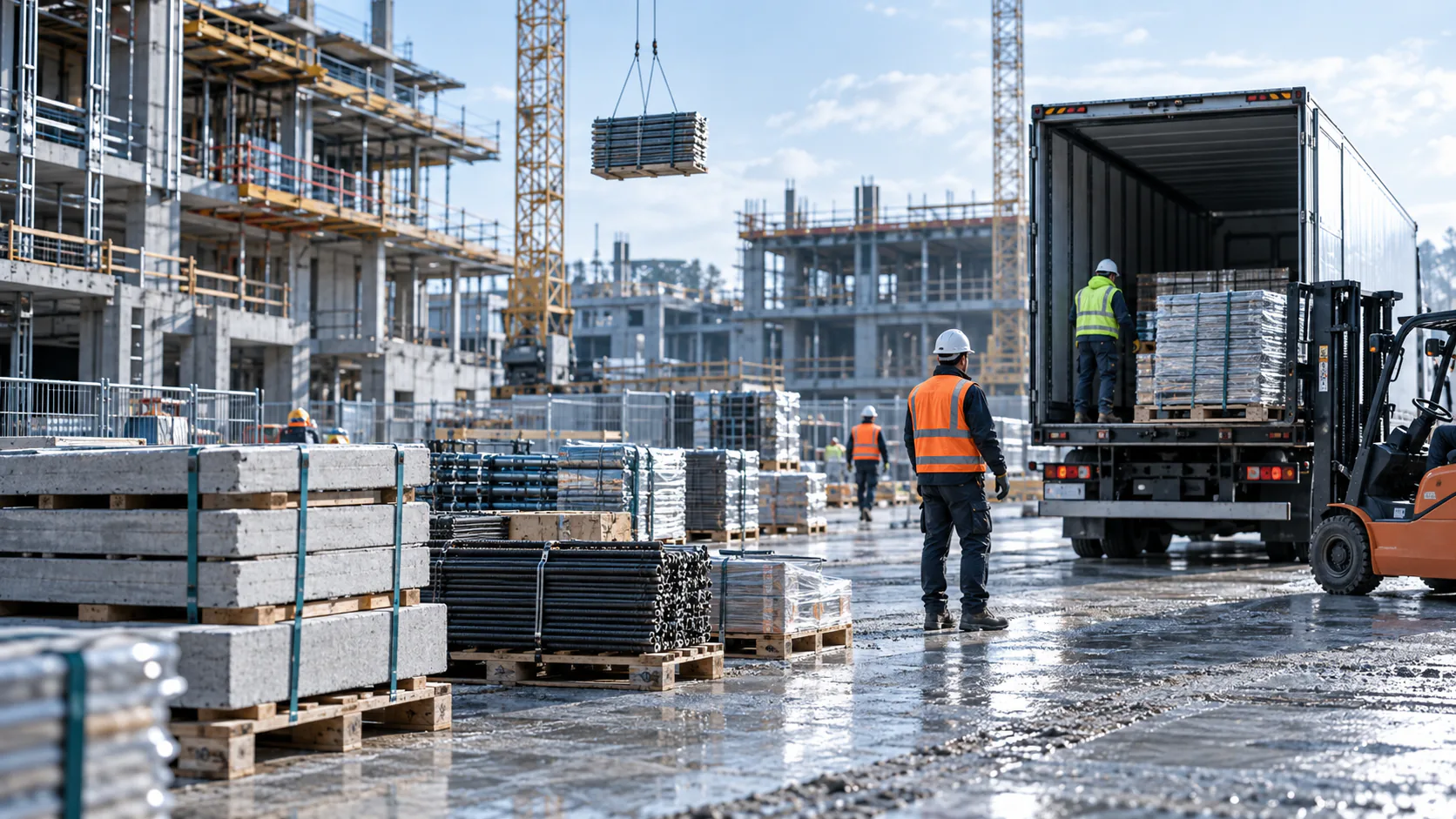
Construction and worksites
In construction, a logistics platform can be used as a consolidation point before delivery to site. Shipments can then be prepared around access slots, unloading resources, work progress and available space, helping avoid sending materials to site before they can actually be received or used.
Explore this sector →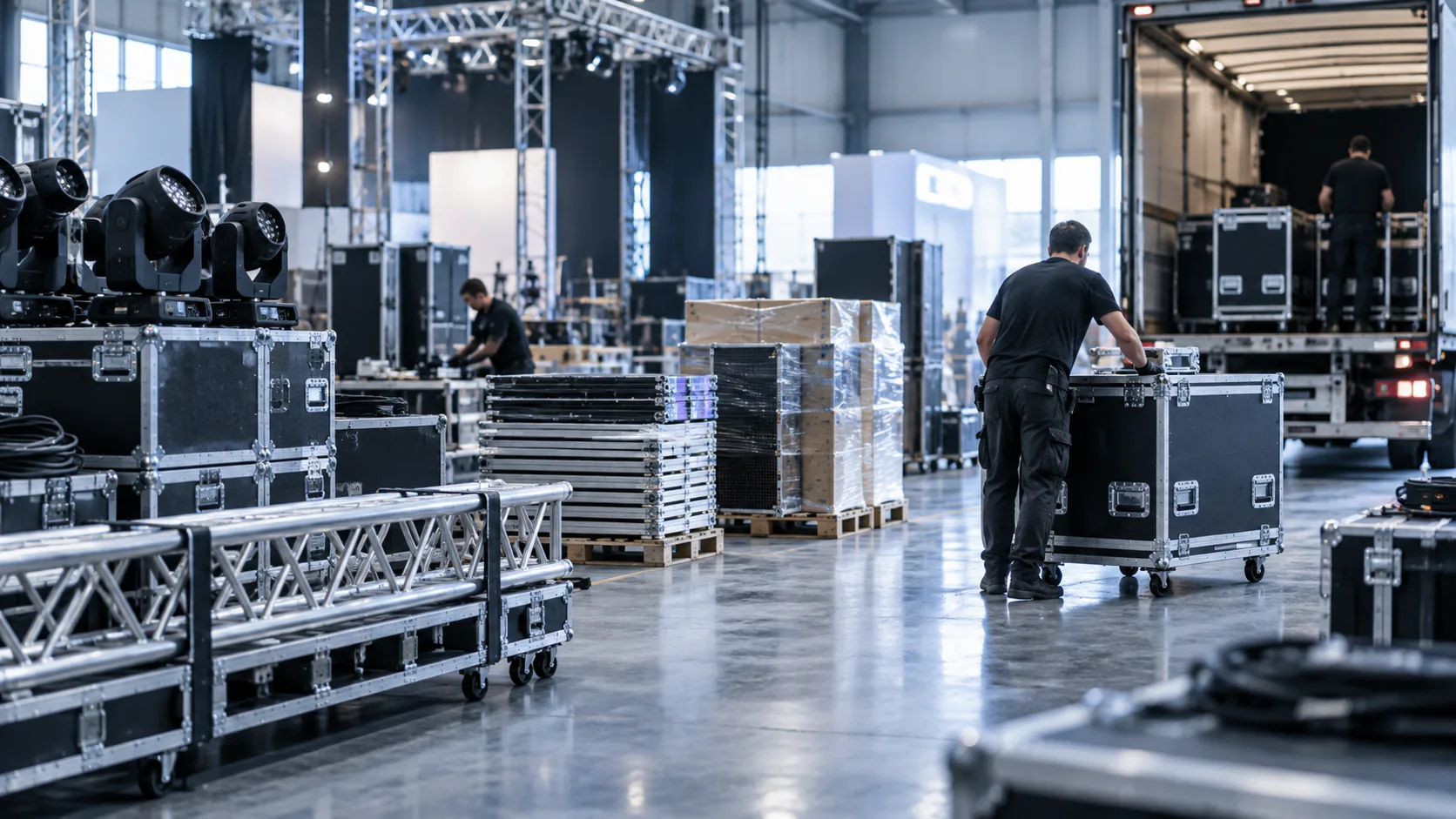
Events and exhibitions
Event logistics often involve fixed dates, short installation windows and equipment arriving from several suppliers. A platform can centralise stands, structures, flight cases and technical equipment before coordinated dispatch, then support temporary storage or return flows after the exhibition or event.
Explore this sector →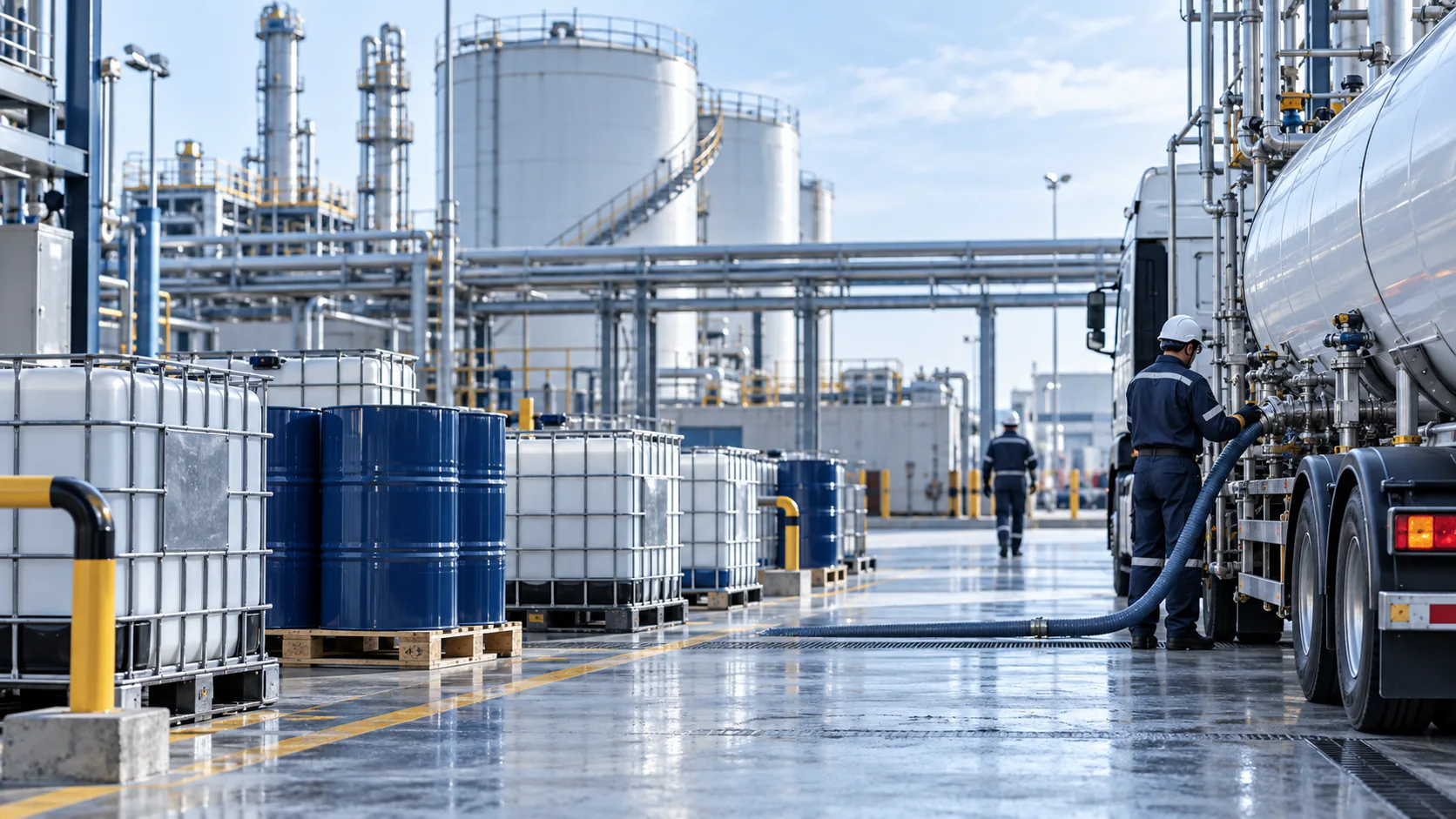
Chemical & Energy Industry
Chemical and energy flows require close attention to product type, packaging, documentation and safety rules. When storage or transhipment is required, the platform must be suitable for the products involved and the applicable regulations, including ADR requirements whenever the goods are classified as dangerous for road transport.
Explore this sector →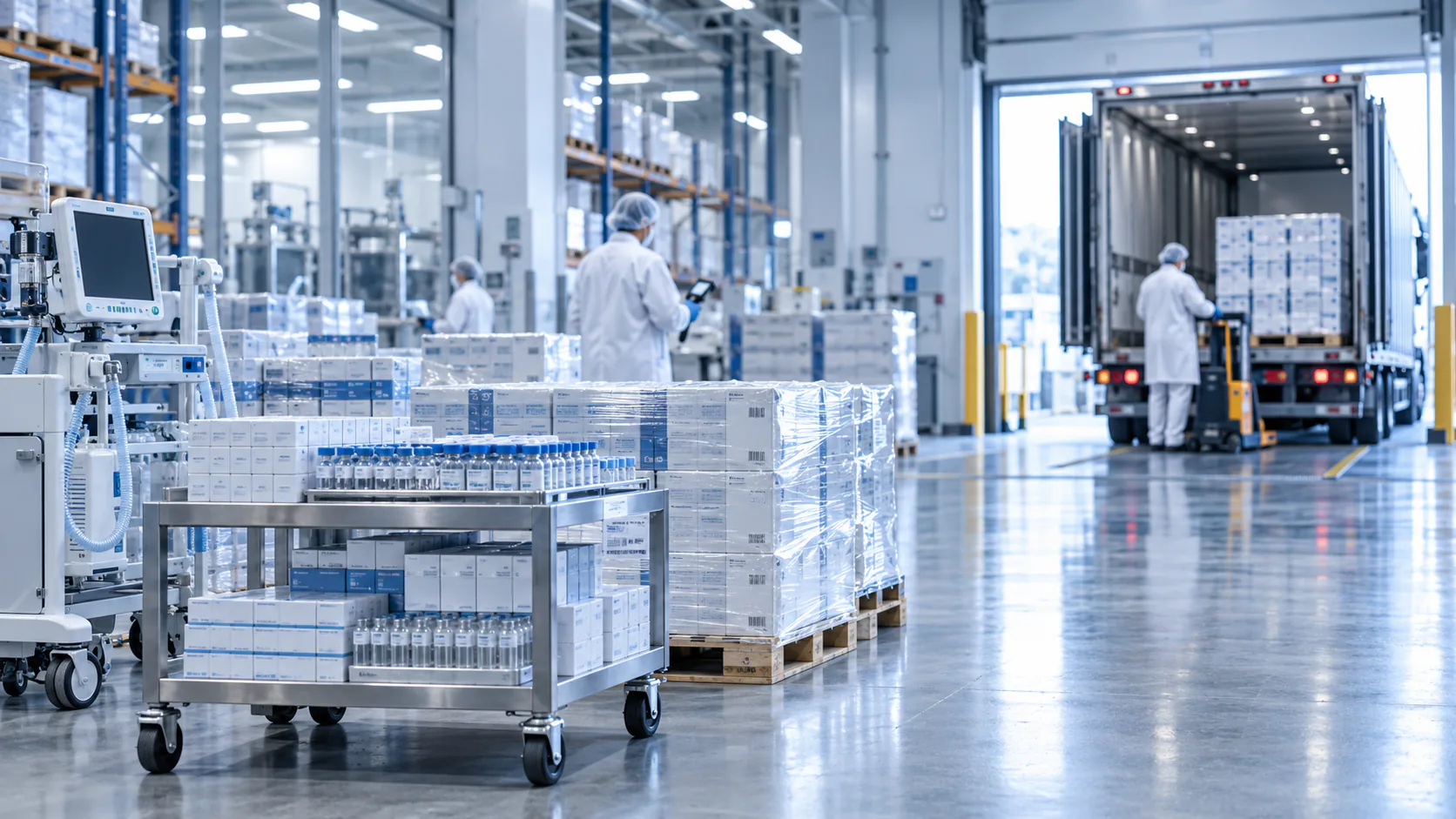
Medical & Pharmaceutical
In medical and pharmaceutical logistics, deadlines, batch identification and careful handling are particularly important. Depending on the products, temperature and storage conditions may also need to be controlled. The logistics platform must therefore be organised rigorously before onward distribution to healthcare sites, laboratories or professional customers.
Explore this sector →Flow organisation
Transport flows adapted to logistics platforms
Reception, cross-docking, buffer storage, consolidation, outbound preparation and regular rotations: a logistics platform must coordinate inbound and outbound flows while respecting dock appointments, volumes and shipment deadlines.
Inbound flow reception and control
A logistics platform may receive pallets, parcels or part loads from several suppliers. Transport planning must take account of dock appointments, expected volumes, reception hours and the site’s ability to absorb arrivals without creating congestion.
Cross-docking and rapid re-dispatch
When goods are not intended to remain in storage, they can be received, sorted and quickly re-dispatched to another destination. Cross-docking reduces dwell time but requires close coordination between arrivals, preparation and outbound transport.
Buffer storage between two stages
Temporary storage can absorb a timing gap between production, upstream transport and final delivery. It is particularly useful when the final customer imposes a specific date, when a construction site is not yet accessible or when a receiving site temporarily lacks capacity.
Load consolidation and deconsolidation
A platform can combine several inbound shipments before a shared departure, or split one load across several destinations. This consolidation and deconsolidation model helps organise multi-supplier pallets, multi-customer flows and distribution rounds.
Outbound shipment preparation
Departures can be prepared according to destination, pallet count, type of goods, delivery slots and consignee constraints. The objective is to present carriers with a clearly identified, ready-to-load flow that matches the planned transport operation.
Regular shuttles and recurring rotations
Platforms often supply factories, depots, stores or other hubs on defined frequencies. Daily or weekly shuttles can be organised around fixed schedules to make inbound and outbound flows more predictable and reduce the risk of supply disruption.
Peak activity and additional capacity
Promotions, seasonality, product launches, inventories or temporary order increases can significantly change volumes. Additional transport capacity can then be sourced through groupage, part loads, freight forwarding or dedicated trucks depending on pallet count and required lead time.
Traceability, appointments and multi-site coordination
A logistics platform may centralise flows from several sites and redistribute them to many consignees. Collection follow-up, shipment references, dock appointments, loading information and coordination between the different parties are therefore essential to keep operations running smoothly.
Transport & logistics solutions
Solutions suited to Logistics platforms
Discover the main transport and logistics solutions that can be reviewed according to your shipment requirements.
Flow coordination
Logistics
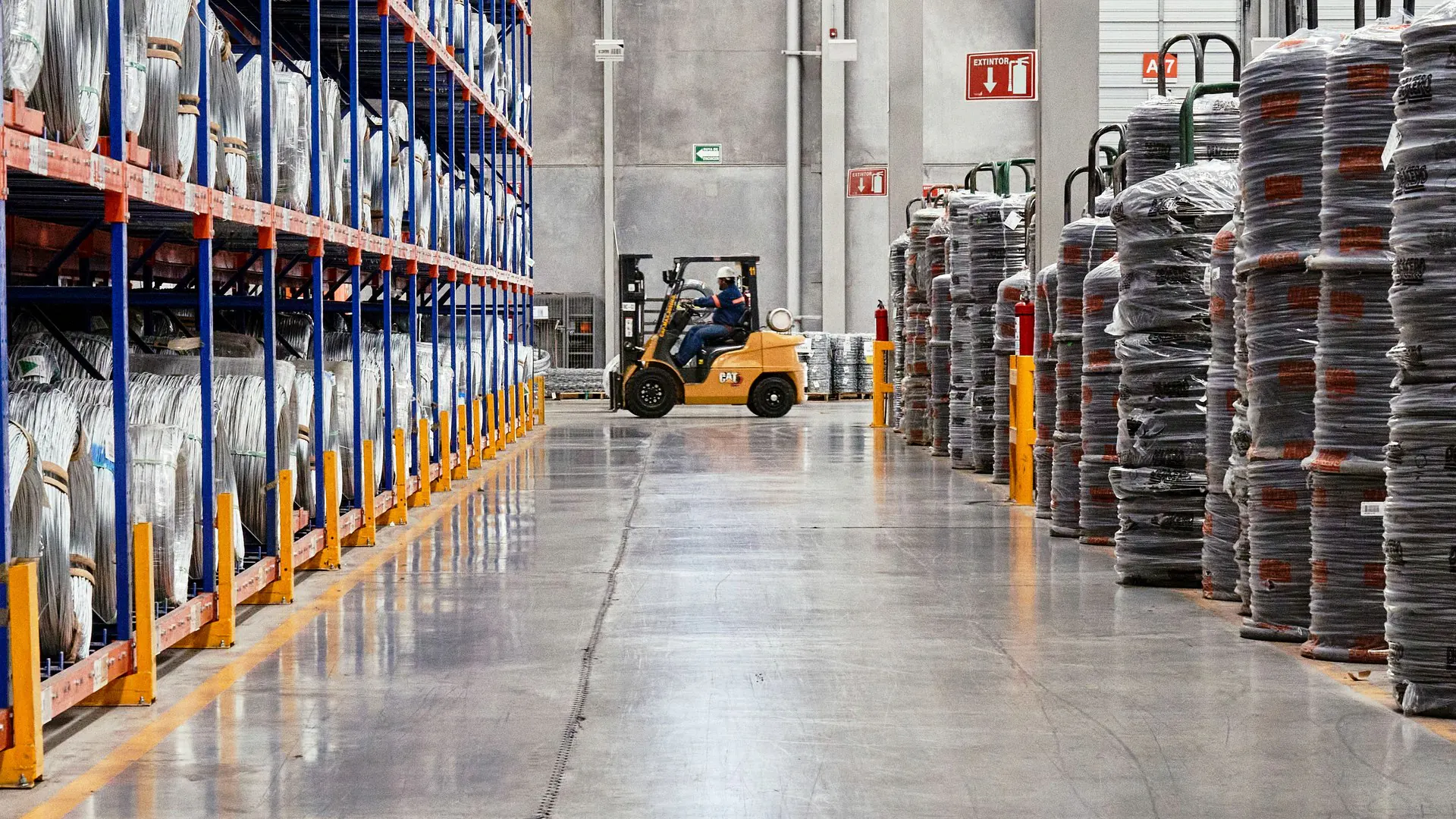
Coordination of your transport flows, shipments and delivery requirements through an organisation adapted to your operation.
Learn more →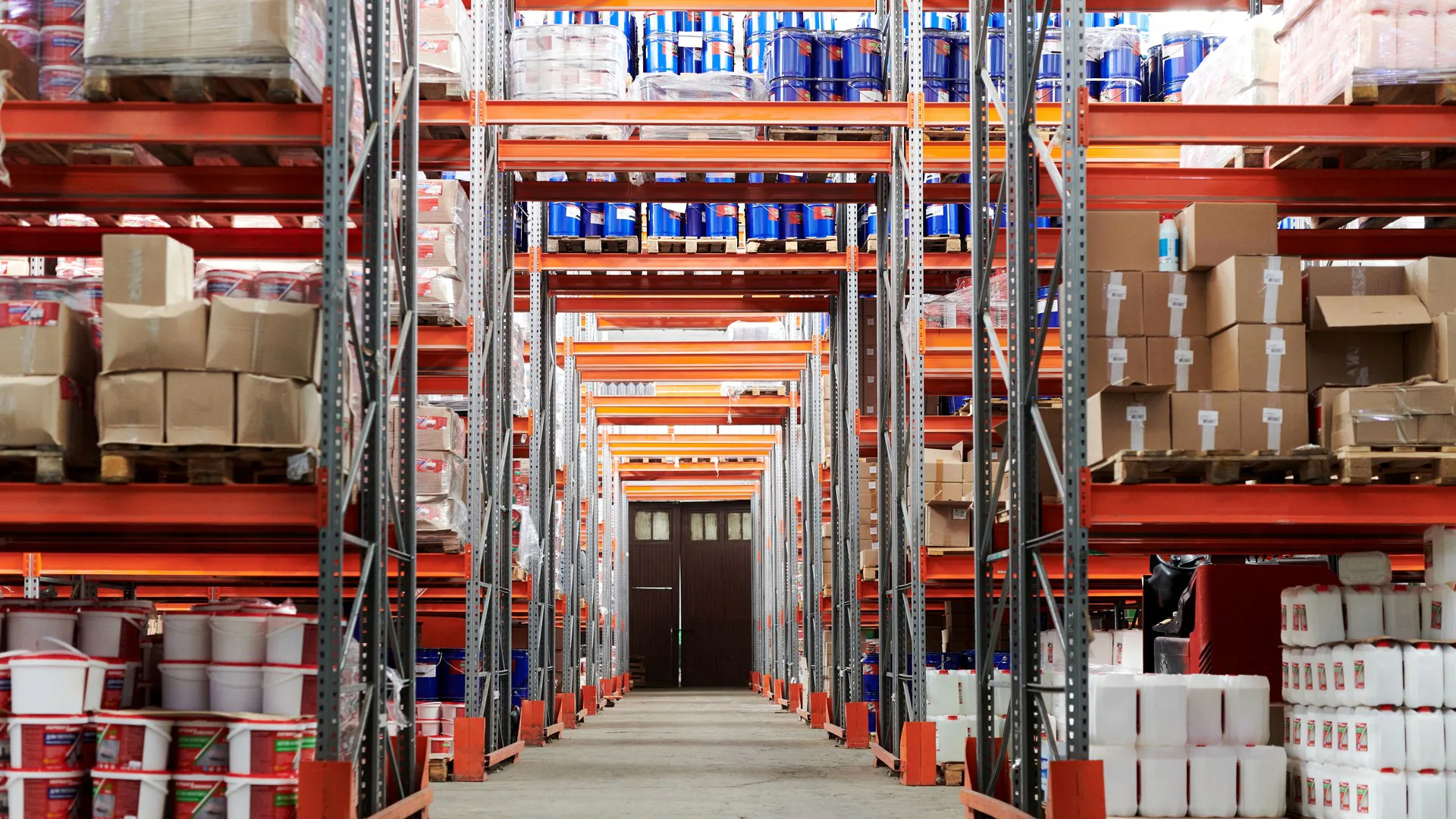
Logistics support
Warehousing
Storage and warehousing solutions organised around your volumes, flows, lead times and preparation requirements.
Learn more →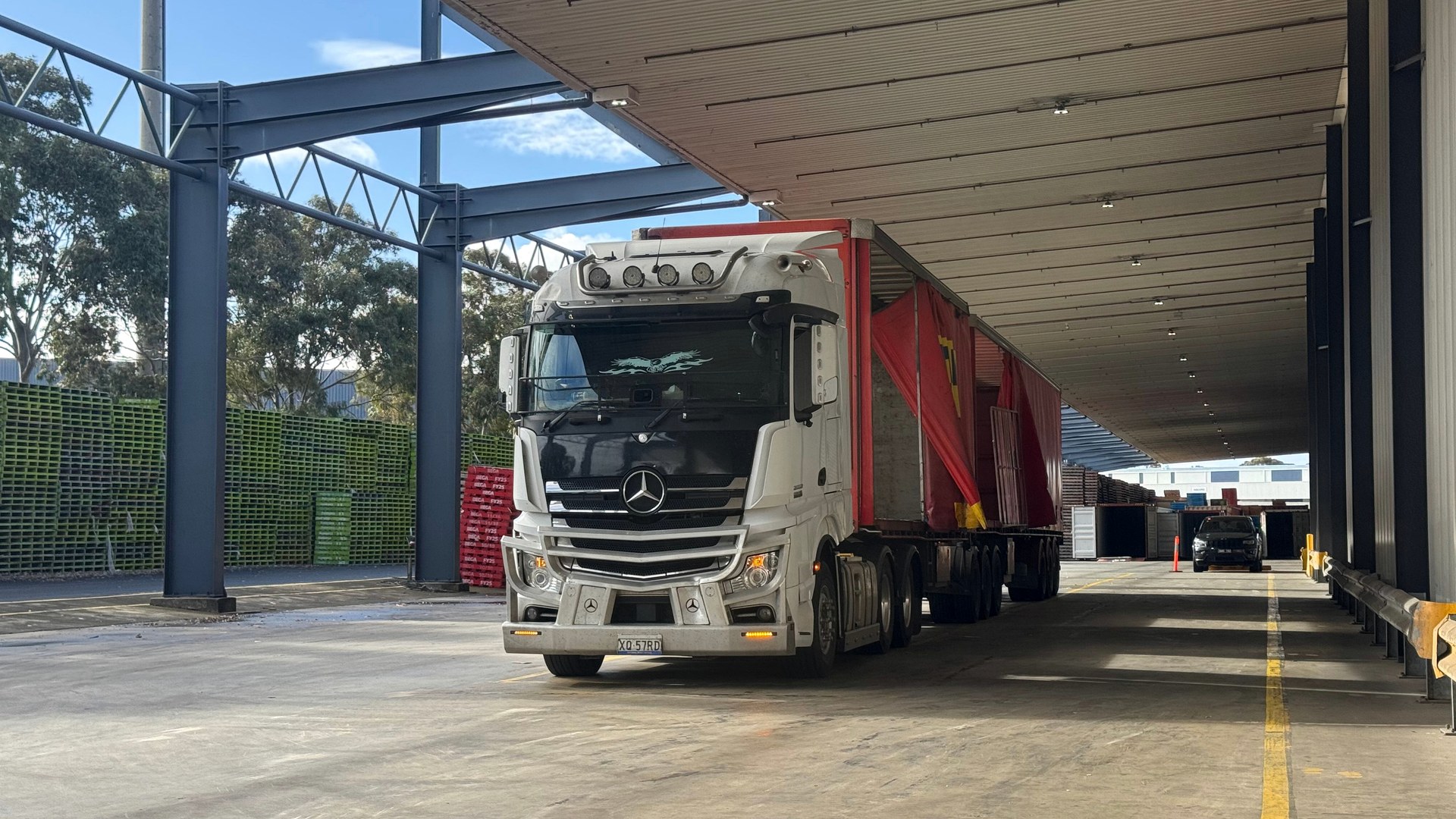
Core business
Road transport
Road freight transport organised across France and Europe according to your deadlines, goods and site constraints.
Learn more →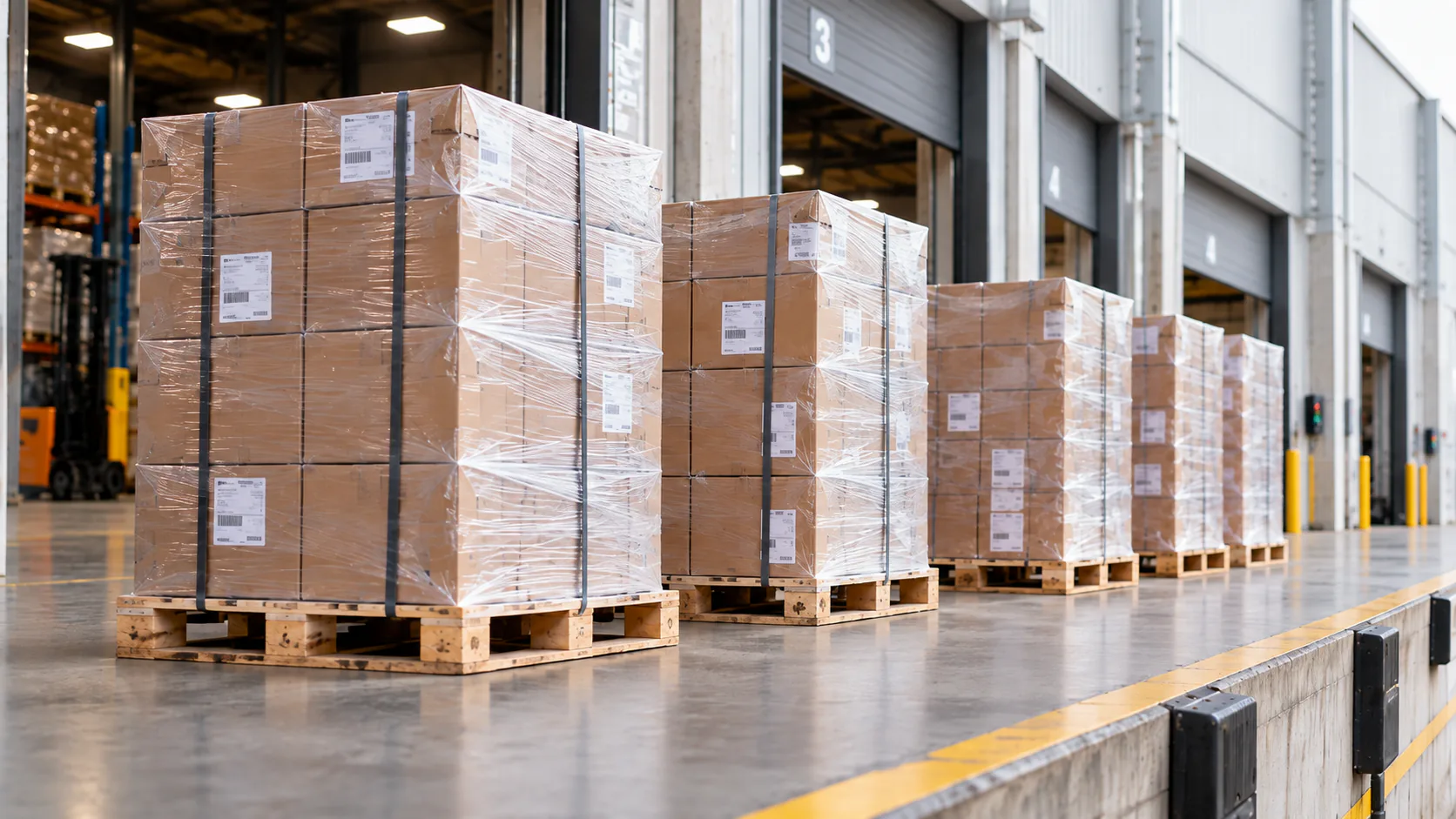
Consolidated distribution
Groupage distribution
Consolidated transport for parcels, pallets and smaller consignments, organised around routes and delivery requirements.
Learn more →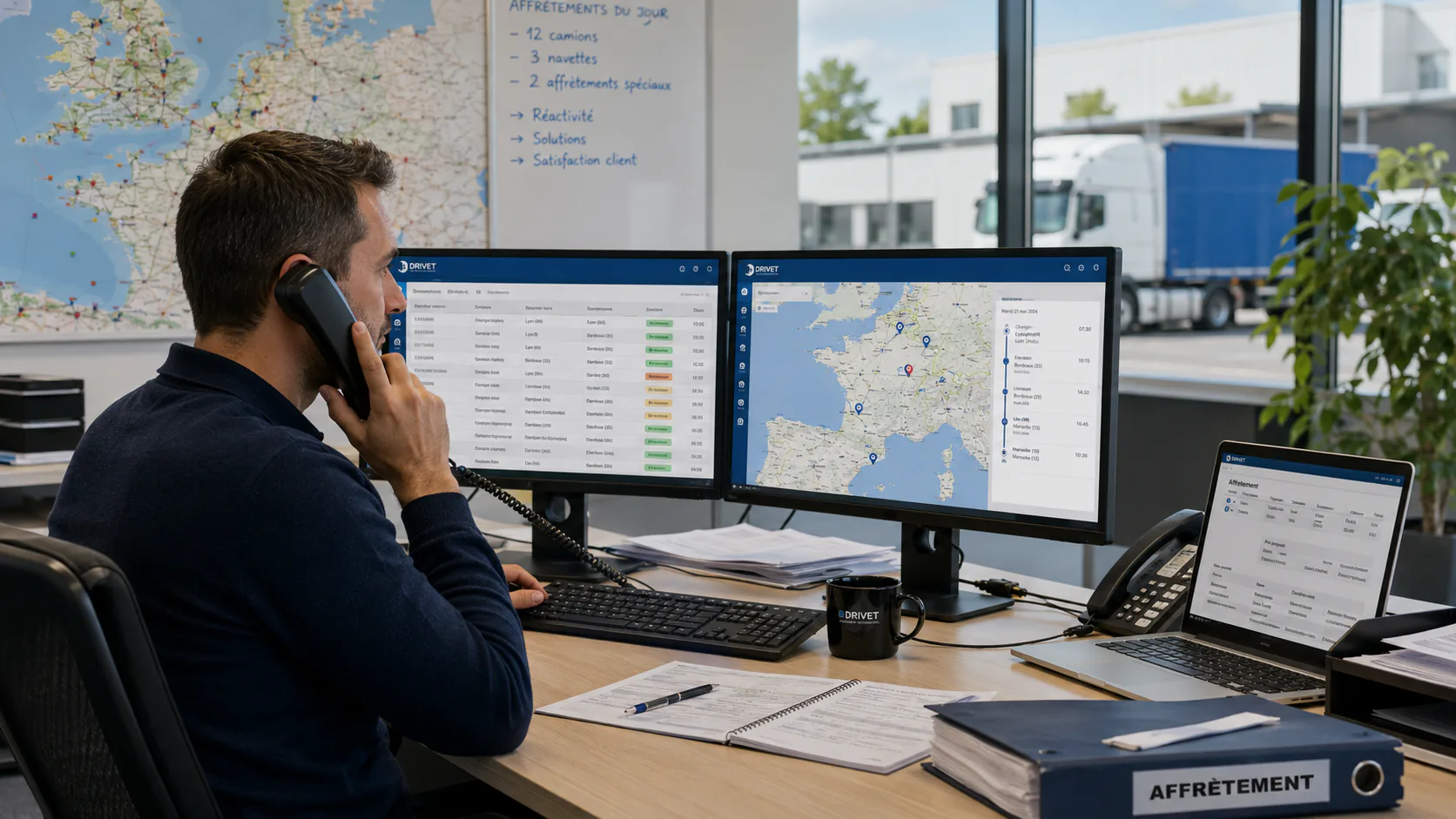
Tailored capacity
Freight forwarding
A freight-forwarding solution selected according to volume, destination, lead time and loading requirements.
Learn more →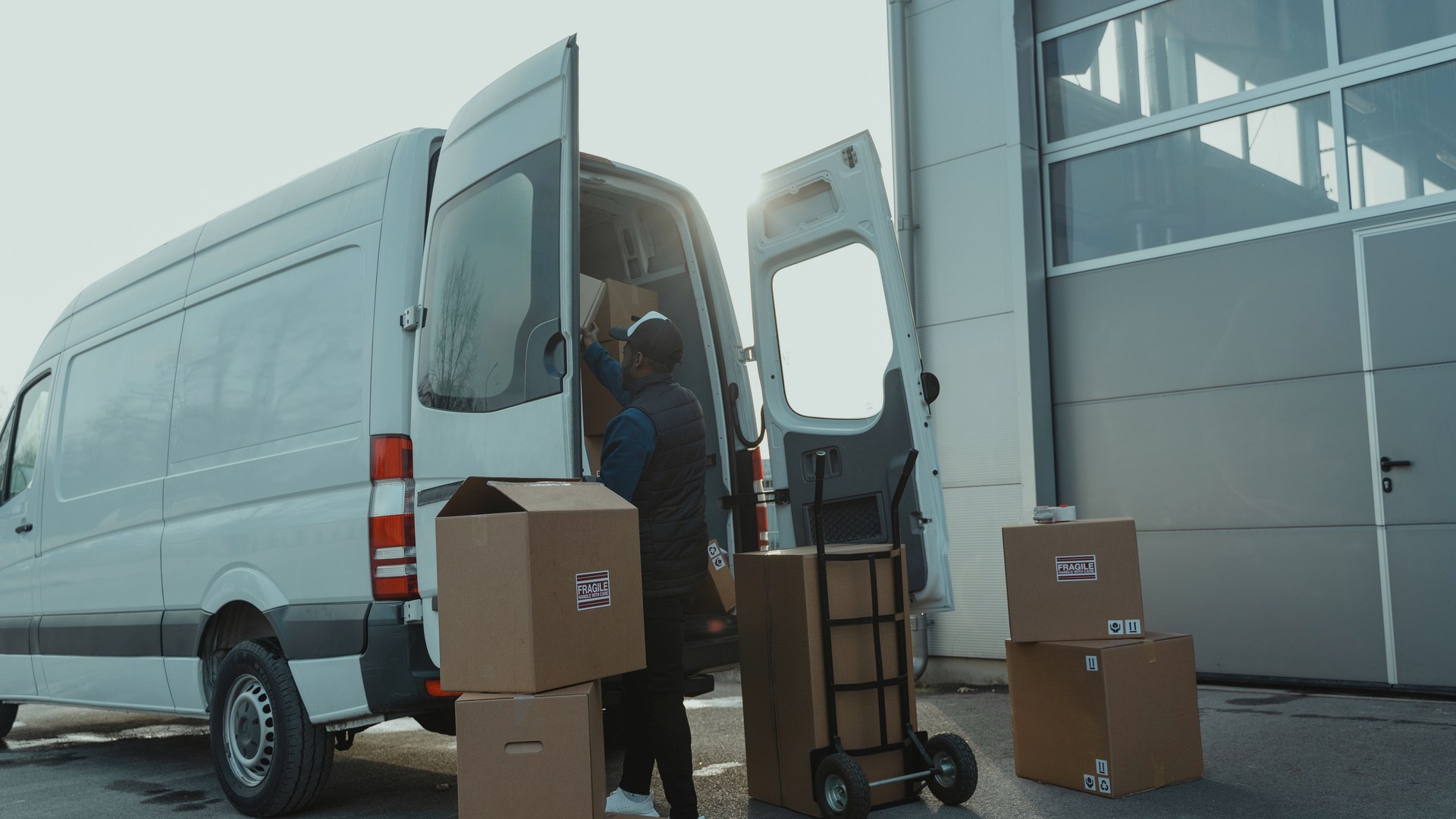
Short lead times
Express transport
Fast transport solutions for urgent, sensitive or time-critical deliveries.
Learn more →Drivet Transport International
Frequently asked questions
How does Drivet Transport International organise a flow through a logistics platform?+
We first review the actual flow: origin of the goods, the logistics platform involved, receiving slots, any temporary storage or consolidation, onward-shipping date, final destinations, volumes and handling resources. Drivet Transport International then coordinates upstream and downstream transport with the platform so that collection, reception, preparation and departure remain aligned.
What types of transport flows can be organised around a logistics platform?+
A logistics platform may handle very different inbound and outbound flows: pallets, parcels, part loads, full truckloads, recurring supplies, dispatches to stores or customers, depot transfers and shuttles between several sites. The organisation depends on volume, destinations, deadlines and receiving constraints.
Can you organise regular rotations between logistics platforms?+
Yes. Recurring shuttles or rotations can be reviewed according to frequency, departure days, loading times, delivery slots, average volumes and activity variations across the different sites.
Can transport be organised around a cross-docking operation?+
Yes. When goods need to be received and dispatched again quickly without prolonged storage, the transport plan can be reviewed to fit a cross-docking operation. Arrival times, any sorting or consolidation step and the following departure must then be coordinated carefully.
Can temporary buffer storage be arranged before goods are dispatched again?+
Depending on the goods, the required duration and available capacity, temporary storage can be reviewed between receipt and onward dispatch. This can help absorb a timing gap between production, arrival at the platform and the final delivery date.
How are dock appointments and delivery time slots handled at a logistics platform?+
Loading and delivery appointments should be specified when the transport is reviewed. They are included in the plan alongside site opening hours, expected waiting times, access constraints and available handling resources in order to reduce operating disruption.
What can be done when activity peaks and volumes increase temporarily?+
Additional transport capacity can be reviewed when volumes rise temporarily: freight forwarding, groupage, part loads or dedicated vehicles depending on pallet count, weight, destinations and required deadlines.
Can a logistics platform dispatch a few pallets as well as a full truckload?+
Yes. Depending on volume, goods and deadline, a shipment may use groupage, part-load transport, dedicated freight or a full truckload. The aim is to match transport capacity to the actual requirement without unnecessarily oversizing the vehicle.
Can you coordinate flows between several logistics platforms in France and Europe?+
Yes, subject to feasibility. Collections, inter-site transfers, shuttles and onward deliveries can be organised between logistics platforms, depots, factories and customers across France and Europe, with requirements varying by country and site.
How is shipment tracking and visibility managed from a logistics platform?+
Tracking relies on clear identification of the shipment, collection and delivery points, booked time slots and the information reported during execution. The level of visibility available depends on the transport mode and the partner used, with relevant milestones and operational issues communicated when needed.
Transport request
Need a transport quote?
Do you have a transport requirement related to logistics platforms? Send us the addresses, dates, goods, weight, dimensions and operating constraints so we can review a suitable transport solution.