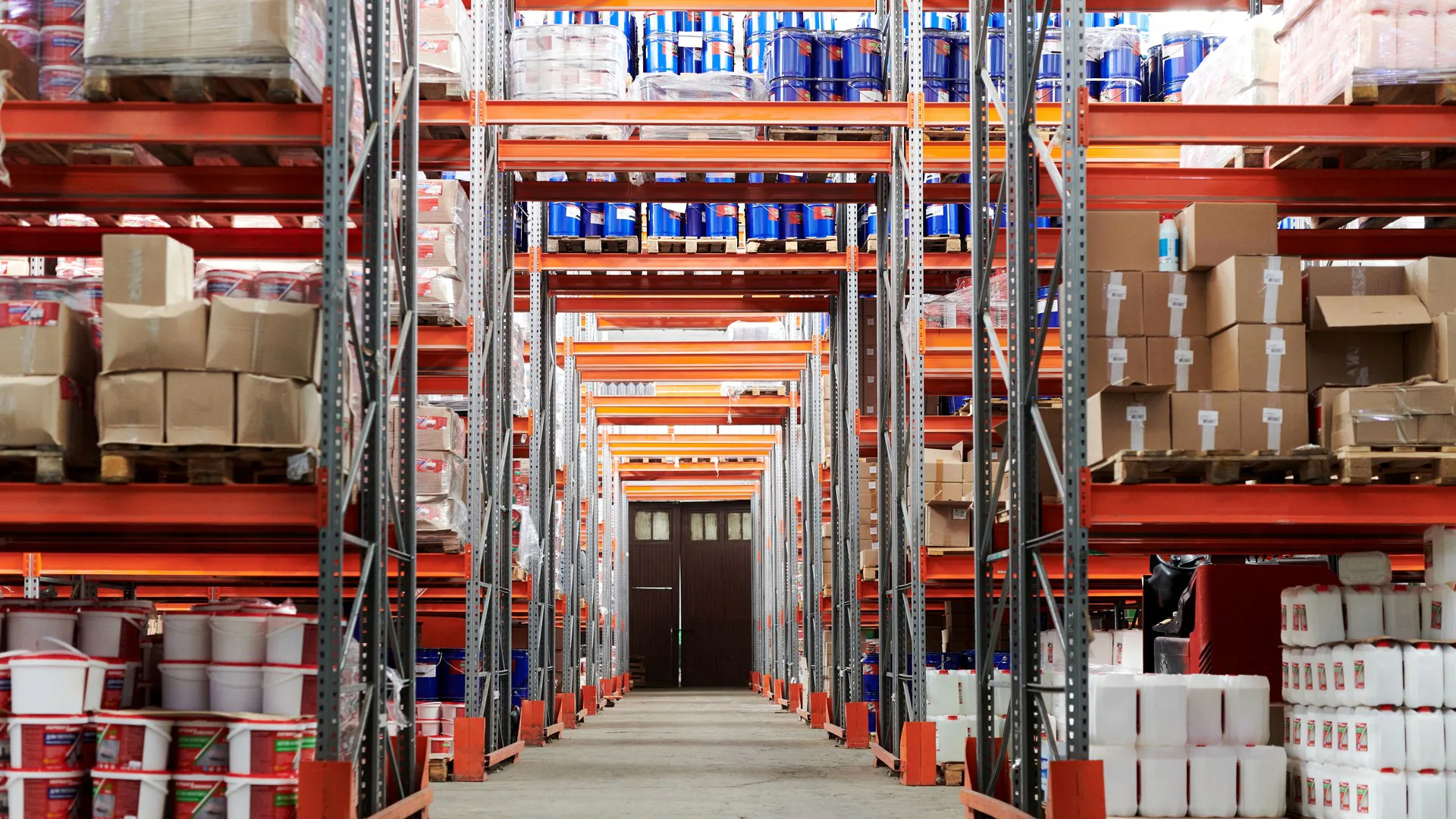
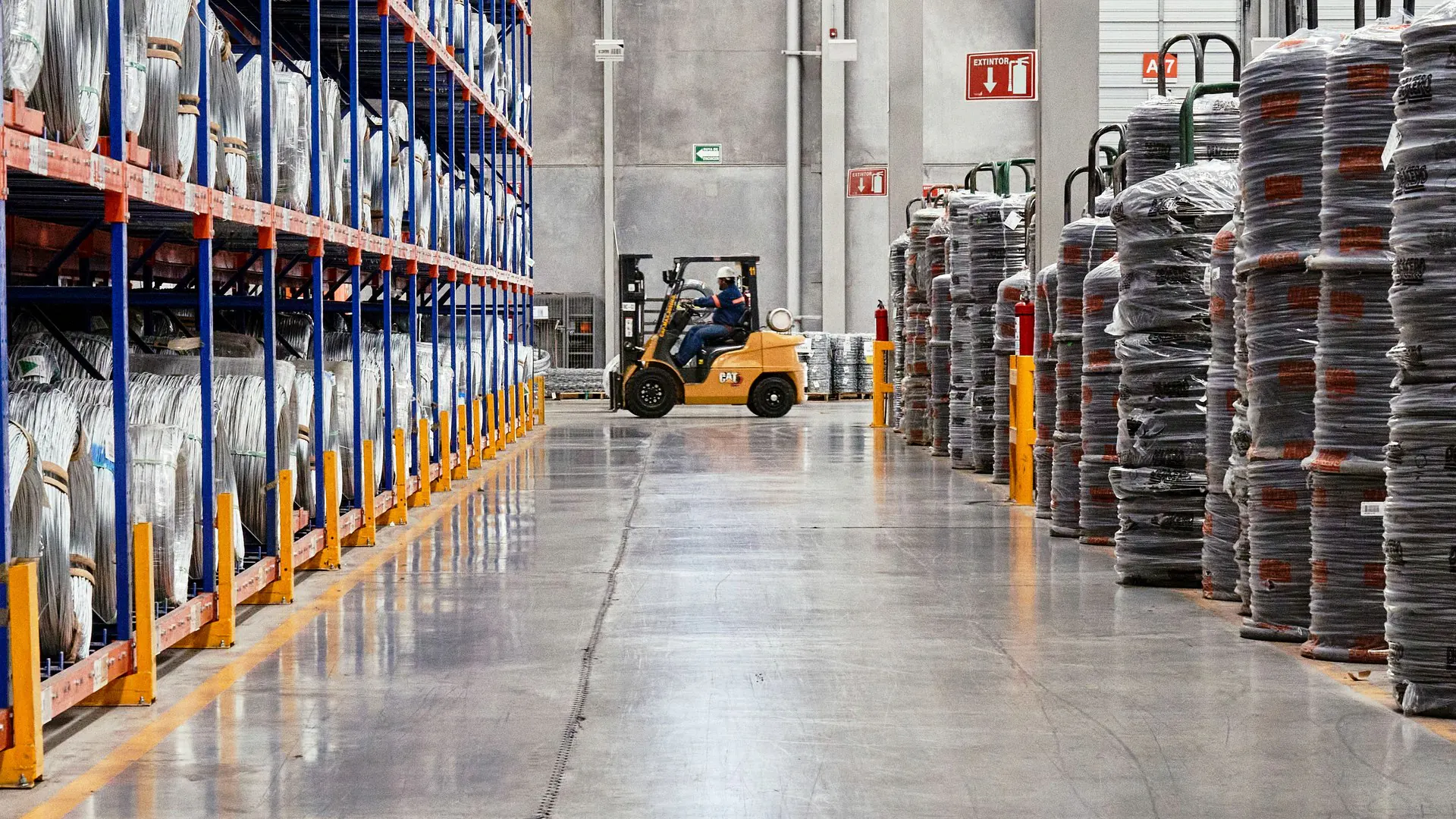
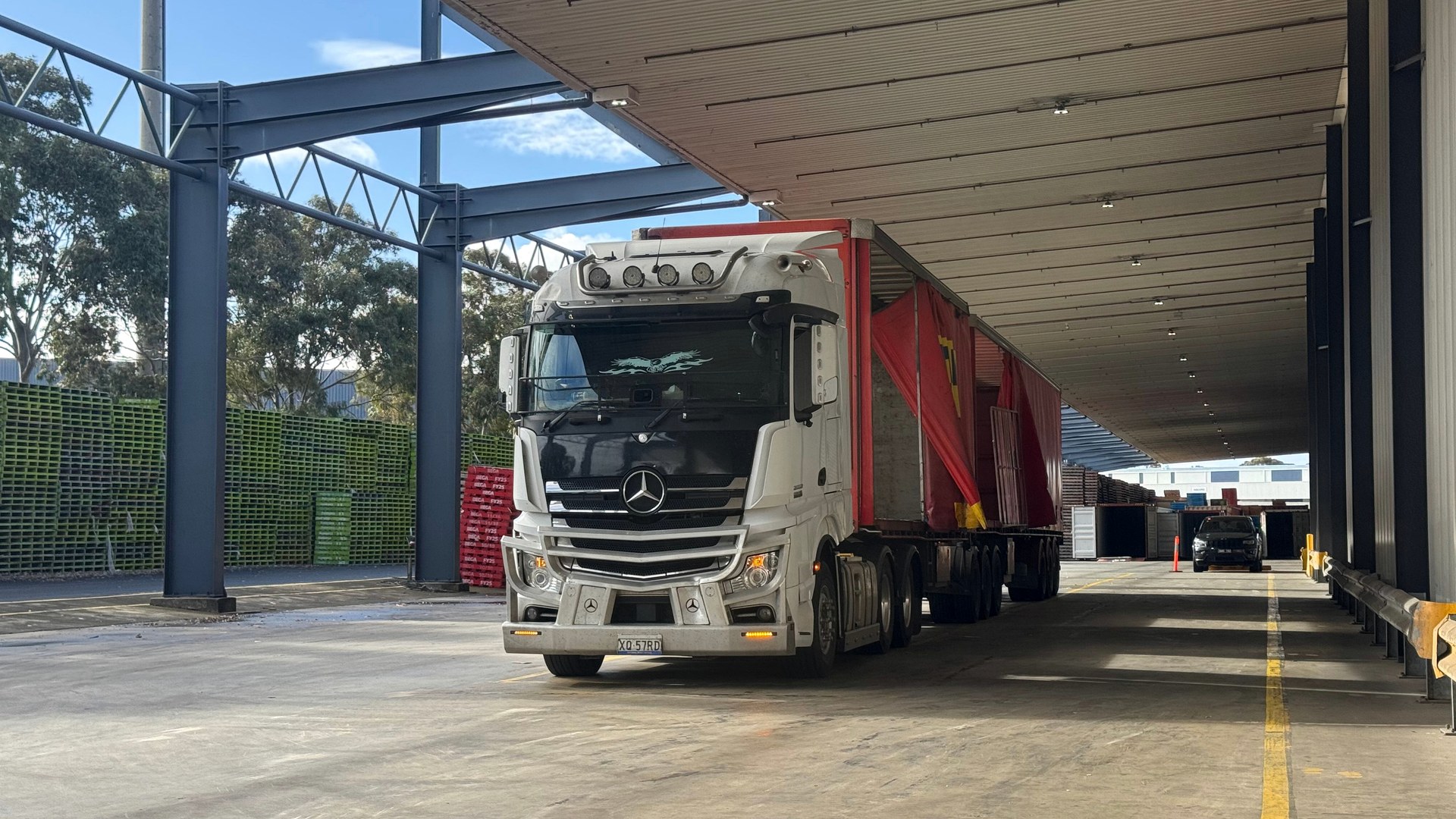
Logistics storage provides temporary or recurring space for goods before shipment, consolidation, preparation or final delivery. It is intended for businesses that need to manage pallets, parcels, packaged products or goods awaiting onward movement without permanently using their own storage capacity.
Storage can support many situations: a temporary holding period after receipt, waiting for a customer delivery slot, a peak in activity, consolidation of several shipments, preparation for onward transport or a more regular logistics flow. It can therefore provide operational flexibility when immediate dispatch is not possible.
A storage request is reviewed against the nature of the goods, number of pallets or parcels, dimensions, weight, packaging, required duration, frequency of inbound and outbound movements, handling constraints, preparation needs, accessibility requirements and any associated transport operation.
Warehousing is often closely linked to transport. It can support route preparation, consolidation, waiting periods before freight forwarding, deferred delivery or groupage operations. By integrating storage into the wider transport plan, a company can adapt its shipments more effectively to real operational constraints.
Good storage organisation depends on visibility. Expected volumes, holding periods, inbound and outbound conditions, operational contacts, documents and collection requirements should be known as early as possible so that the proposed solution remains practical and suitable for the goods.